My newsletter is named after a traditional Jewish blessing upon encountering the majesty of a large body of water: “Blessed are you, our eternal G-d, Ruler of the Universe, who made the great sea.” BTS is a free, monthly publication which shares Jewish and non-Jewish approaches to mindful, contemplative living. Some come from from spiritual teachings from the past and the present; others from my Zen practice and Jewish faith. Included here are also some of my own news as well. BTS is a conversation, and I enjoy hearing from and responding to the readers.
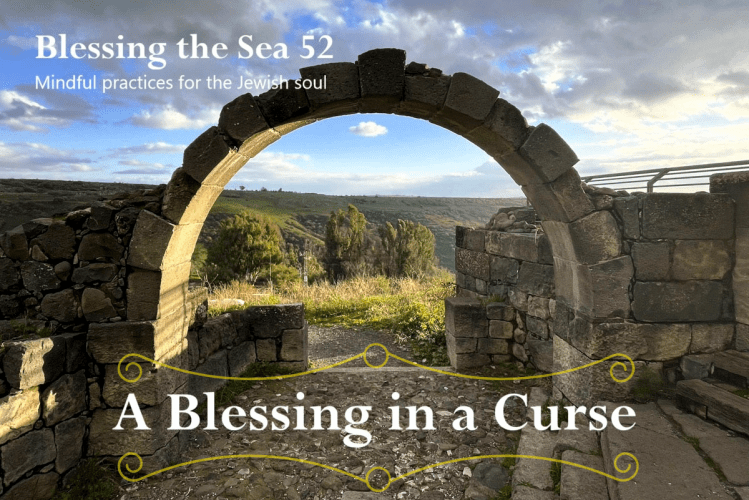
See, this day I set before you blessing and curse: blessing, if you obey the commandments of the Eternal your G-d that I enjoin upon you this day; and curse, if you do not . . .
— Deutoronomy 11:26-28
What puzzled commentators in this line opening a Torah portion read this month is a breach in Hebrew syntax: the imperative “See” is addressed to the singular ‘you’, whereas the choice of blessing and curse is laid out before the plural ‘you’ – all of us.
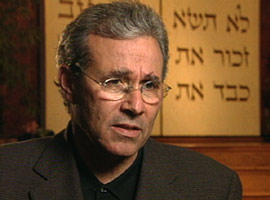
Rabbi Alan Lew, z”l, interprets this line as the commandment for the individual to ‘see’, that is to view the reality exactly as it is (i.e., ‘open your eyes’, ‘be mindful’, ‘see without judgment’), and then mindfully evaluate the blessings and the curses contained therein.*
Let me share a couple of personal incidents this summer, which I first thought were curses, but eventually revealed hidden blessings.
In June, my publisher and I faced book distribution issues which we could not resolve. I had no intention of ending our relationship barely two years after my book came out, but it was clear that we reached an impasse and had to part ways. This sudden event hit me the same month as I was retiring from teaching college full-time.
The week before I was a tenured college professor and an author published by a reputable, university-affiliated press. The week later I was neither.
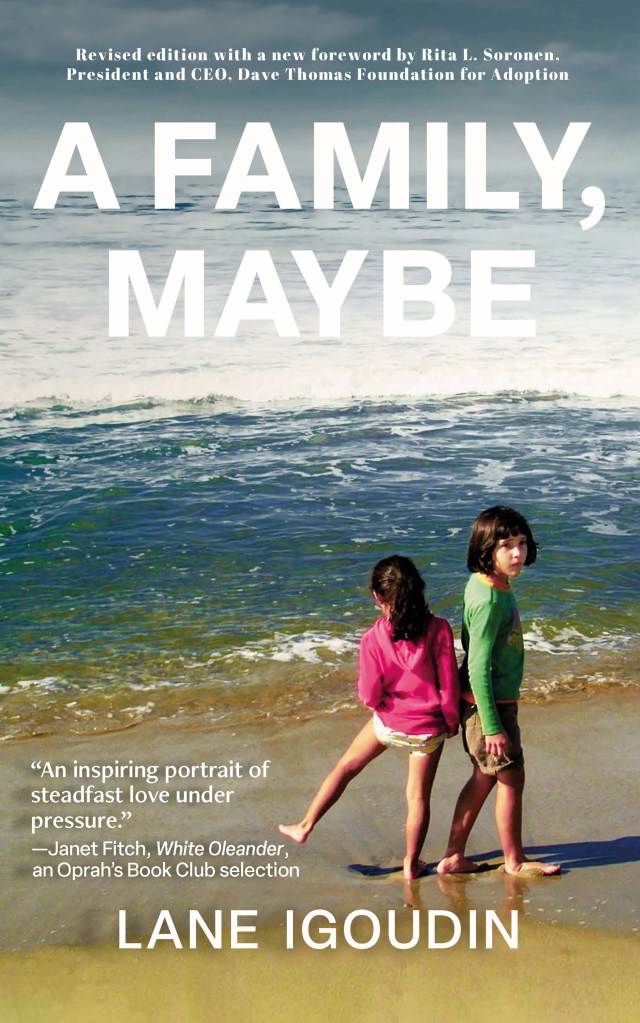
I felt the weight of this transition deeply but then began to see its hidden blessings. The change gave me the freedom to take A Family, Maybe in a new direction – not just reissue it under my own imprint, but to improve it. The press graciously transferred the original book files to me, and I spent countless hours over the last 2 months learning how to design and publish independently.
I learned tremendously and enjoy having full creative control over the product.
At this point, the revised edition of A Family, Maybe, which now includes a foreword from a renowned child welfare advocate, is scheduled for release on September 1 in Kindle and paperback formats.
In August, I was to join again the wonderful organization Livnot, which helps to clean up and rebuild war-affected communities in Israel’s north. The group trip, leaving from New York, was to be short – only 9 days – but packed with activities.
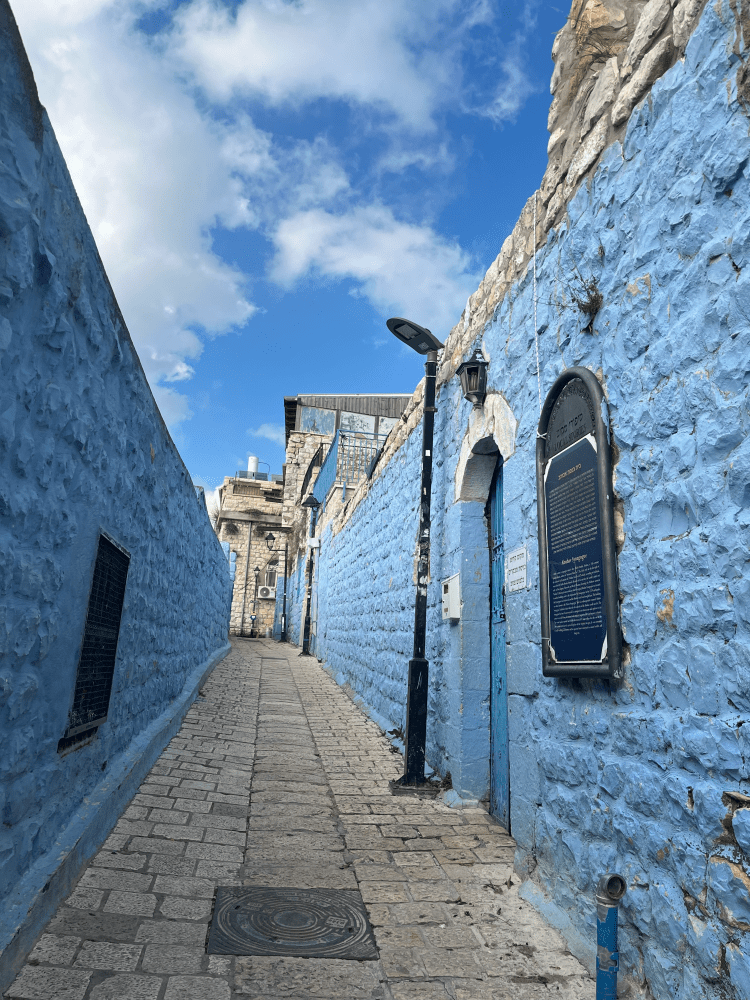
I can’t tell how much I was looking forward to being back in Tzfat and Upper Galilee, barely 7 months after my last trip, doing this physically demanding but spiritually meaningful work.
I was lining up at the gate at LAX, waiting to board the plane to New York, when my flight got cancelled. Not due to the war, which had ended weeks earlier, but to the thunderstorms in the Northeast. The next day flights were already full, and despite an ample layover built into my schedule, there was no way for me to catch the connecting flight. Given the shortness of the trip and the remote location I was traveling to, I had to let go of my trip.
I was devastated. Yet, as days went by, and I continued to work on the revised edition of my book, some blessings of the situation started to emerge.
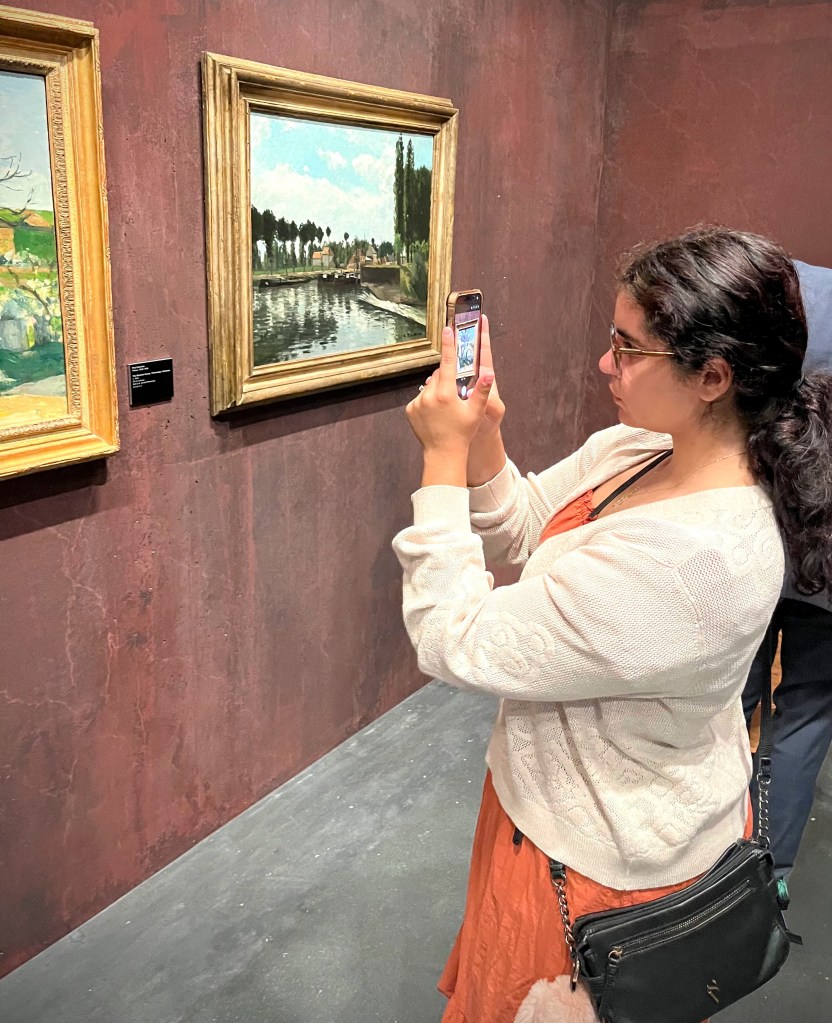
Our daughter is interning near us this summer. She will be leaving soon to go back to campus for her junior year. Thanks to the cancelled trip, we got to spend more time together – hiking, going to museums, watching old TV comedies that she loves.
It meant a lot, and while I still grieved the missed trip, I noticed – and felt thankful for – those special moments with her.
Remember that ‘see’ in the opening line? Thich Nhat Hahn teaches that “by looking into the nature of things, we can see that nothing remains the same for even two consecutive moments.”**
So instead of reacting to the curses of the moment, what if we allow ourselves to see, just see, what’s happening? Thich Nhat Hahn calls this insight “a key that opens the door of reality.”
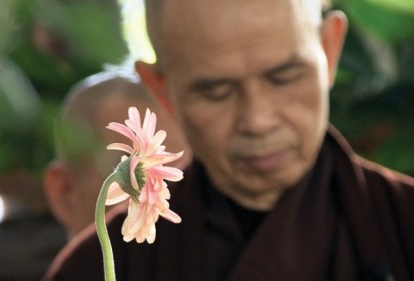
“Our freedom, peace, and joy in the present moment,” he writes, “is the most important thing we have. But without an awakened understanding of impermanence it is not possible to be happy.”
Both situations this summer were out of my control and made me feel hurt and angry. Seeing them through the eyes of impermanence opened my eyes to other possibilities present in the moment – to the blessings.
Despite obvious commonalities, there is a subtle, but important distinction between the Buddhist and the Jewish understanding of reality.
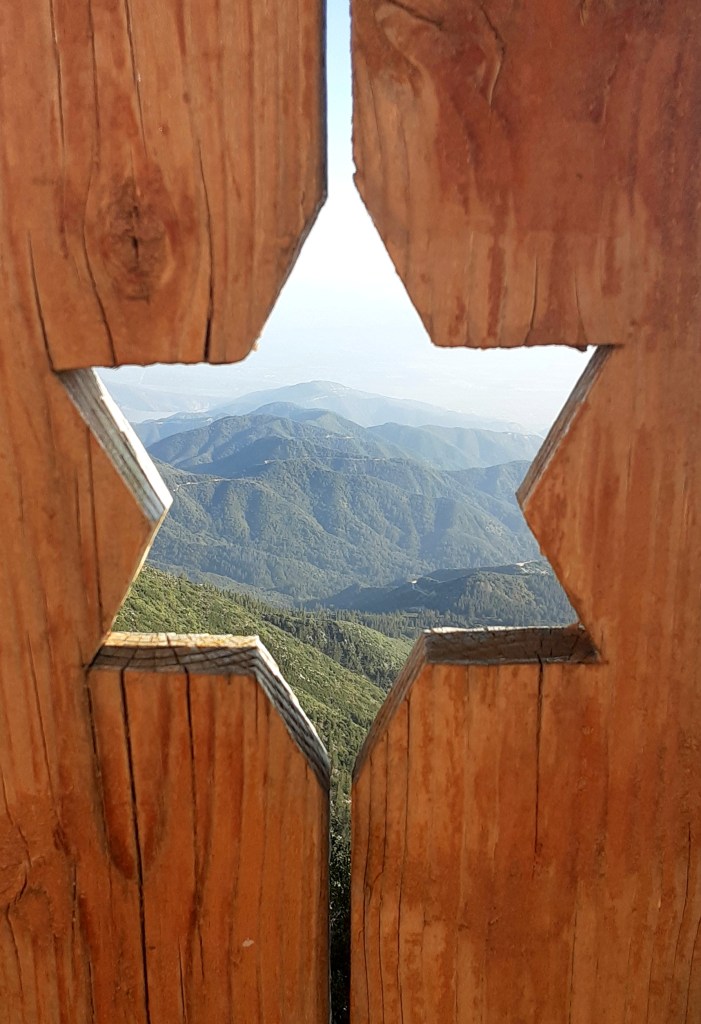
While the Buddhist approach is simply to reflect reality like a mirror, the believer in me sees G-d’s hand in the options reality contains. G-d gives me the free choice to choose among them.
But first though, I have to do what that opening line says, “See.” That’s the hardest part.
Warmest regards and an early shana tovah u’metukah – a good and sweet new year to you!
–Lane
* I owe the reference to Rabbi Lew’s quote from This Is Real, and You Are Completely Unprepared (2018) to Yiscah Smith’s superb Planting Seeds of the Divine (2025).
** From Thich Nhat Hahn’s No Fear, No Death: Comforting Wisdom for Life (2003).
All photos, except those of Rabbi Lew and Thich Nhat Hahn, are © Lane Igoudin

