
As a parent, writer, and speaker, I have engaged over the years with some excellent organizations, sites, and other resources that serve current and prospective adoptive parents. I am sharing some of them on a new “Foster/Adoptive Parent Resources” page and will continue to update as times goes on.
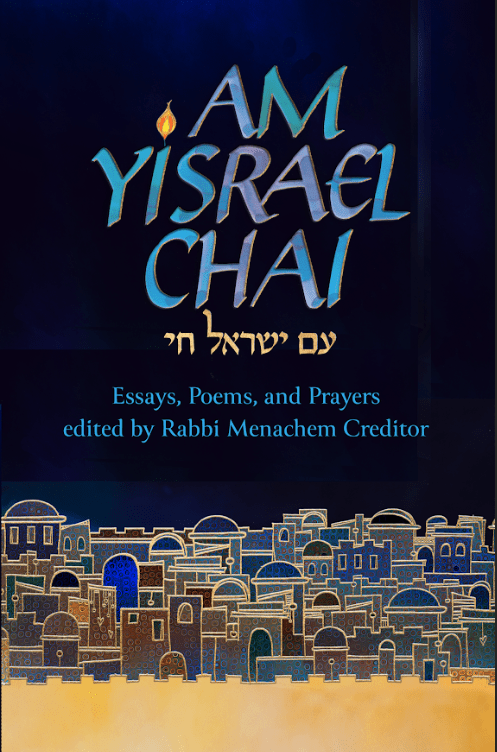
“Am Yisrael Chai: Essays, Poems, and Prayers” review in Jewish News
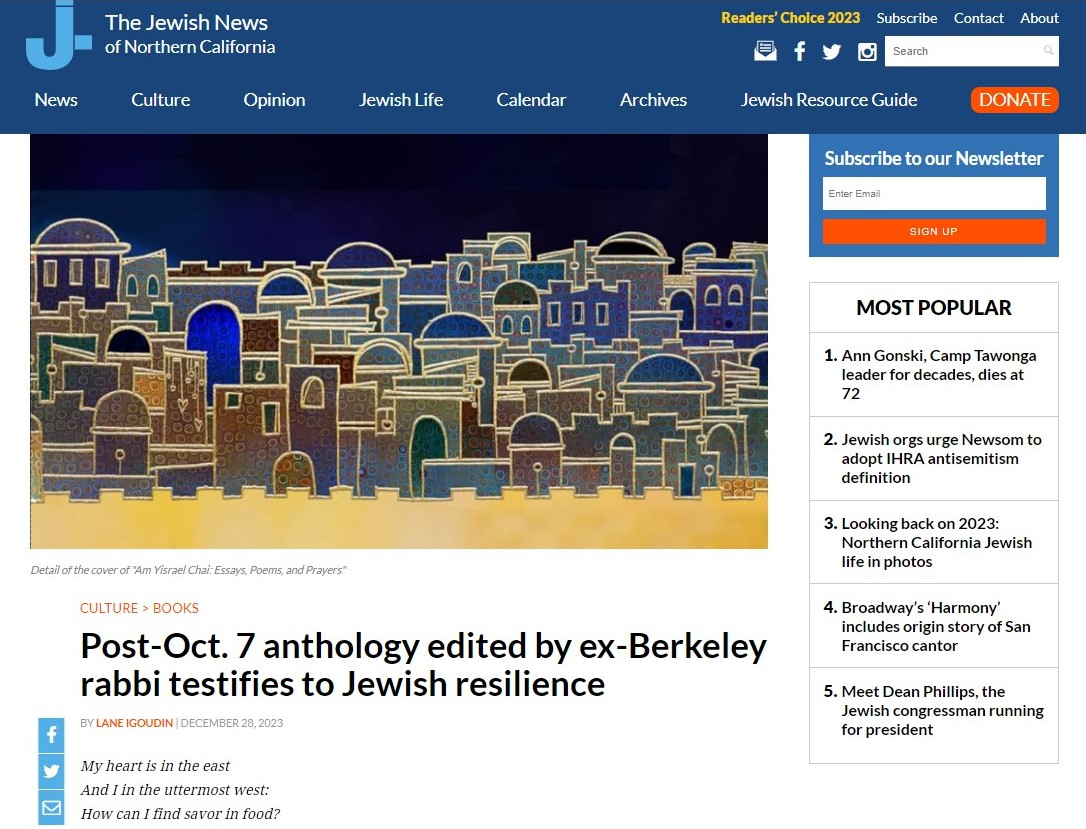
Earlier today, the Jewish News of Northern California published my book review of an anthology of poetry and essays in response to the tragic events of October 7.
Am Yisrael Chai is a very special book. I describe it as
“… raw, unvarnished and often uncomfortable to read, but that’s why its testimony is so powerful: It is a reflection that itself is an experience.
There will be time in the future to process, to contextualize the events and to compartmentalize the pain, but right now, these writers, poets, and liturgists are bearing witness to what is [. . .] “
This is my first Jewish News book review. My previous two (of Toibin’s The Magician and Ryziński’s Foucault in Warsaw) came out in Lambda Literary Review.
Reading a new piece at Authors Guild LA
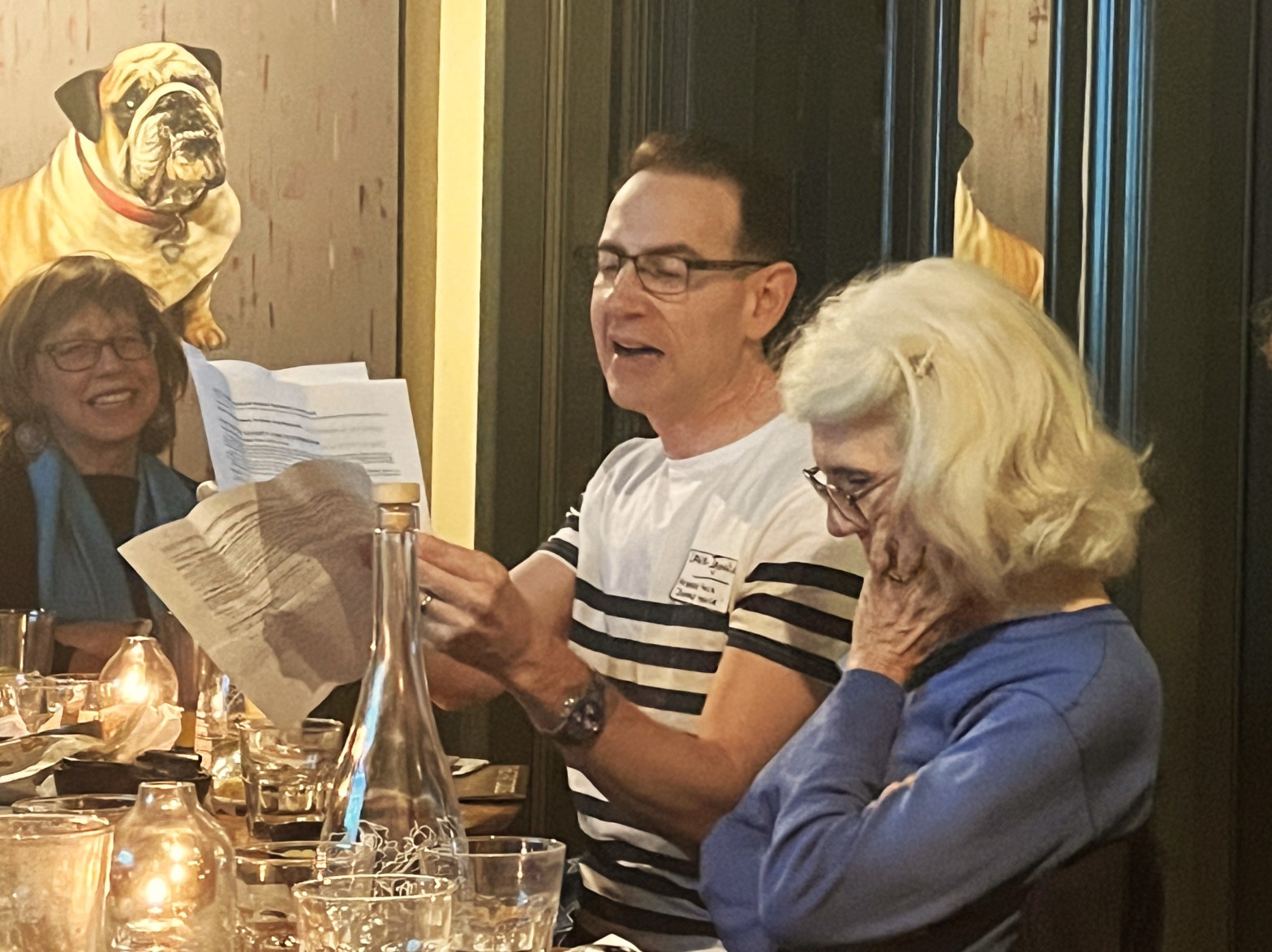
I read “Postcards to a Stranger,” a new piece about meeting my husband Jon the same day I met President Clinton and his family oh-so-many years ago, the two events intertwined, at the Holiday Get Together of the LA Chapter of Authors Guild.
Catching up with other working writers, learning from their works, sharing tips and advice, drinks in hand – what a great way to finish a year!
Besides connecting me with other writers, Authors Guild has benefitted me in some other ways as well: by reviewing – and improving – my contracts, and allowing me to participate in its LaunchPad program this fall, a series of Webinars educating writers on the verge of publication on the art of launching a book. This couldn’t have been more timely, as the launch of my book, A Family, Maybe, is less than 2 months away.
Prayer for the Captives (Traditional)

May He who blessed our ancestors, Abraham, Isaac, Jacob, Joseph, Moses, Aaron, David and Solomon, bless, protect, and guard the members of Israel’s Defense Forces missing in action or held captive, and other captives among our brethren, the whole House of Israel, who are in distress and captivity [as we, the members of this holy congregation, pray on their behalf].
May the Holy One, blessed be He, have compassion on them, and bring them out from darkness and the shadow of death.
May He break their bonds, deliver them from their distress, and return them swiftly to their families’ embrace.
Give thanks to the Lord for His lovingkindness, and for the wonders He does for the mankind, and may there be fulfilled in them the verse: “Those redeemed by the Lord will return; they will enter Zion with singing, and everlasting joy will crown their heads. Gladness and joy will overtake them, and sorrow and sighing will flee away.” And let us say Amen.
The Koren Sacks Siddur, p. 525; The Rav Kook Siddur, p. 595
Hebrew text from the siddurim (prayer books) cited above:
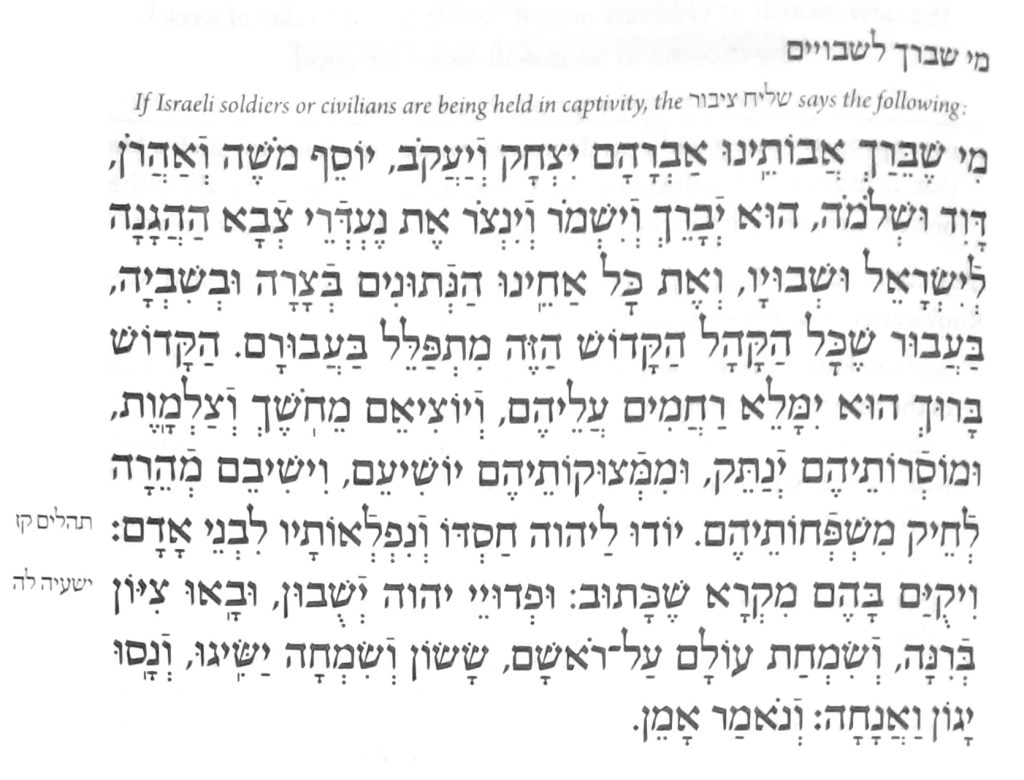
In addition to the prayer, Psalms 121, 142, and 143 can also be recited for more comfort and resilience.
Photo credit: La Jolla Bay © Lane Igoudin, 2022
“Foucault in Warsaw” review in Lambda Lit

A startling book I picked up at a publishers fair turned into my latest book review for Lambda Literary.
Michel Foucault’s work forever changed our understanding of sanity, sexuality, morality, and crime. And yet his life concealed a personal secret that might explain how he first arrived at his profound realizations about society. . . It was a rumor, an urban legend, as no direct evidence of the relationship survived either in Poland or in Foucault’s archives in France. Or was it?
This secret I refer to above is finally rescued from the shadows and exposed to light in Foucault in Warsaw – an investigative book by Remigiusz Ryziński, a writer, gender studies scholar, and professor of philosophy at the University of Warsaw. Nominated for Poland’s most prestigious literary award, Foucault in Warsaw , the book also throws back the curtain “on the rich and rewarding—though at times perilous—gay life bubbling underground in the Polish capital” in the midst of the Cold War.

I really enjoyed this wonderful book and hope that it will continue to find new readers through its exposure in LLR.

Foucault in Warsaw
By Remigiusz Ryziński
Translated from Polish by Sean Gasper Bye
Open Letter, University of Rochester
Paperpack 220 pp.
ISBN: 9781948830362
Presenting on culturally inclusive English teaching
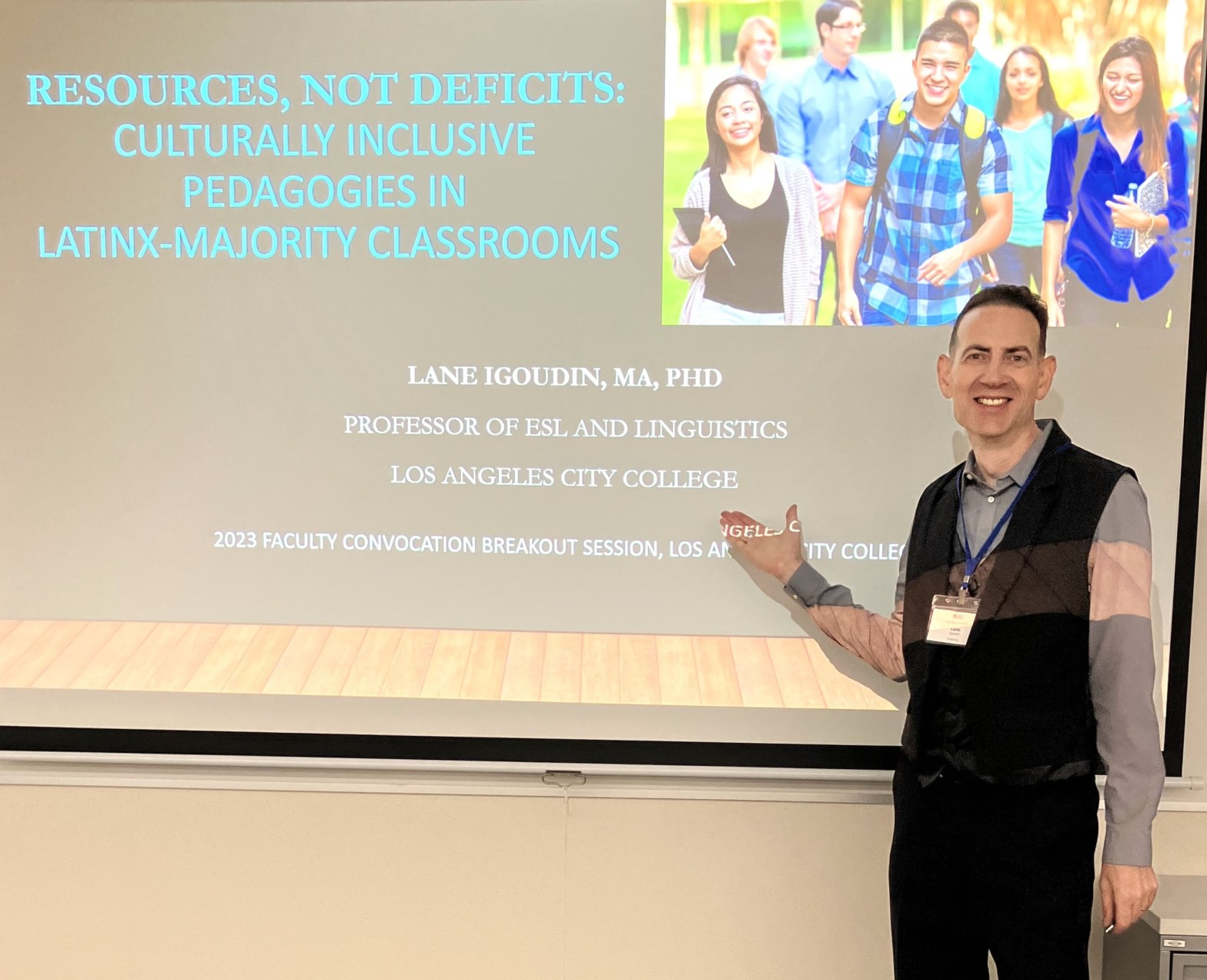
Course content and delivery at my college, as in all higher education institutions in California, remains exclusively monolingual, while serving the student population that is often majority Latinx and bilingual.
On Aug. 24, as part of the annual LACC Convocation (faculty training) Day, I gave a talk on the pedagogies in English composition courses that are inclusive and innovative. My presentation, “Resources, Not Deficits” was based on the study I’d published this year and presented earlier this summer at the World Congress of Applied Linguistics, but here I refocused it on specific, practical ways to make our classrooms more inclusive for Latinx students.
First, I provided some background both on our Latinx student population and culturally responsive teaching (CRT), which emerged in the last two decades. (Fact: 54% of LACC students are Latinx.)
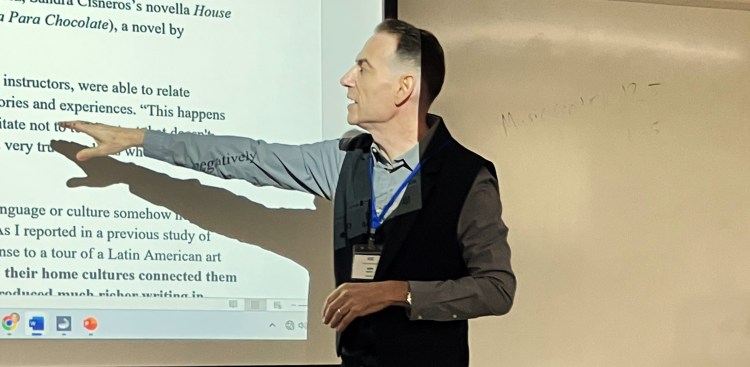
I then organized the culturally inclusive teaching methods observed in the English composition courses on my campus into 3 groups – those that address curriculum, engage student culture, and introduce linguistic diversity (e.g., Spanish, Spanglish, Chicanx English, and/or Indigenous languages) in our English classrooms. Each group of methods was supported by real-life examples from our faculty.
Following that, my presentation shifted to the skills that a culturally responsive faculty member should possess (as derived from a recent survey of CRT methods across the US (Muniz, 2019)). Here, we tried out an activity applying these approaches to the attendees’ own experience and courses. Judging by the questions from the audience and the overall feedback I received, these critical pedagogies generated a lot of interest among faculty. Clearly, it’s an important topic that needs to be explored continuously and in more depth.
Please contact me directly with questions about the presentation or related matters. I’ll be glad to tell you more about it.
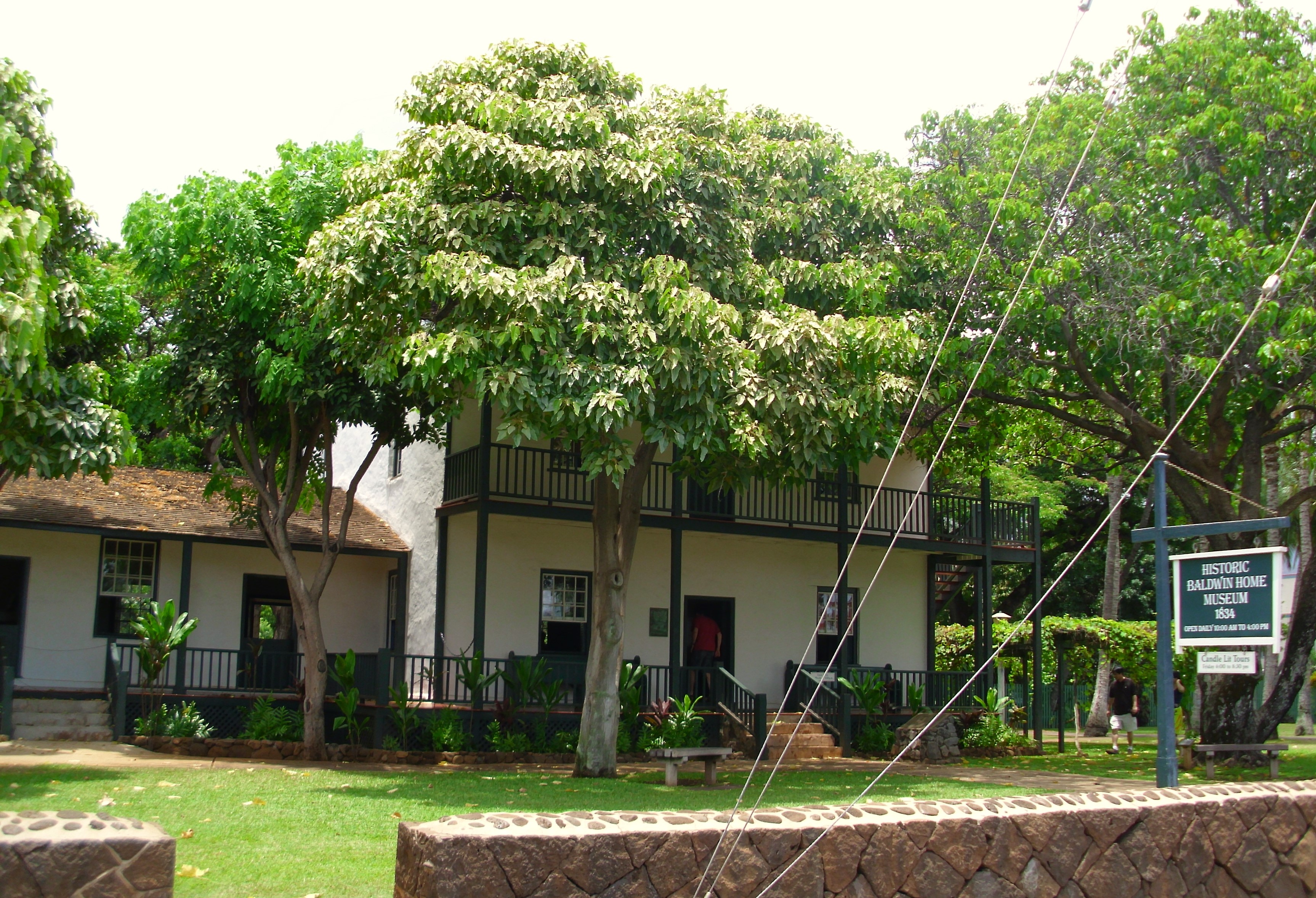
Lahaina, as I will always remember it

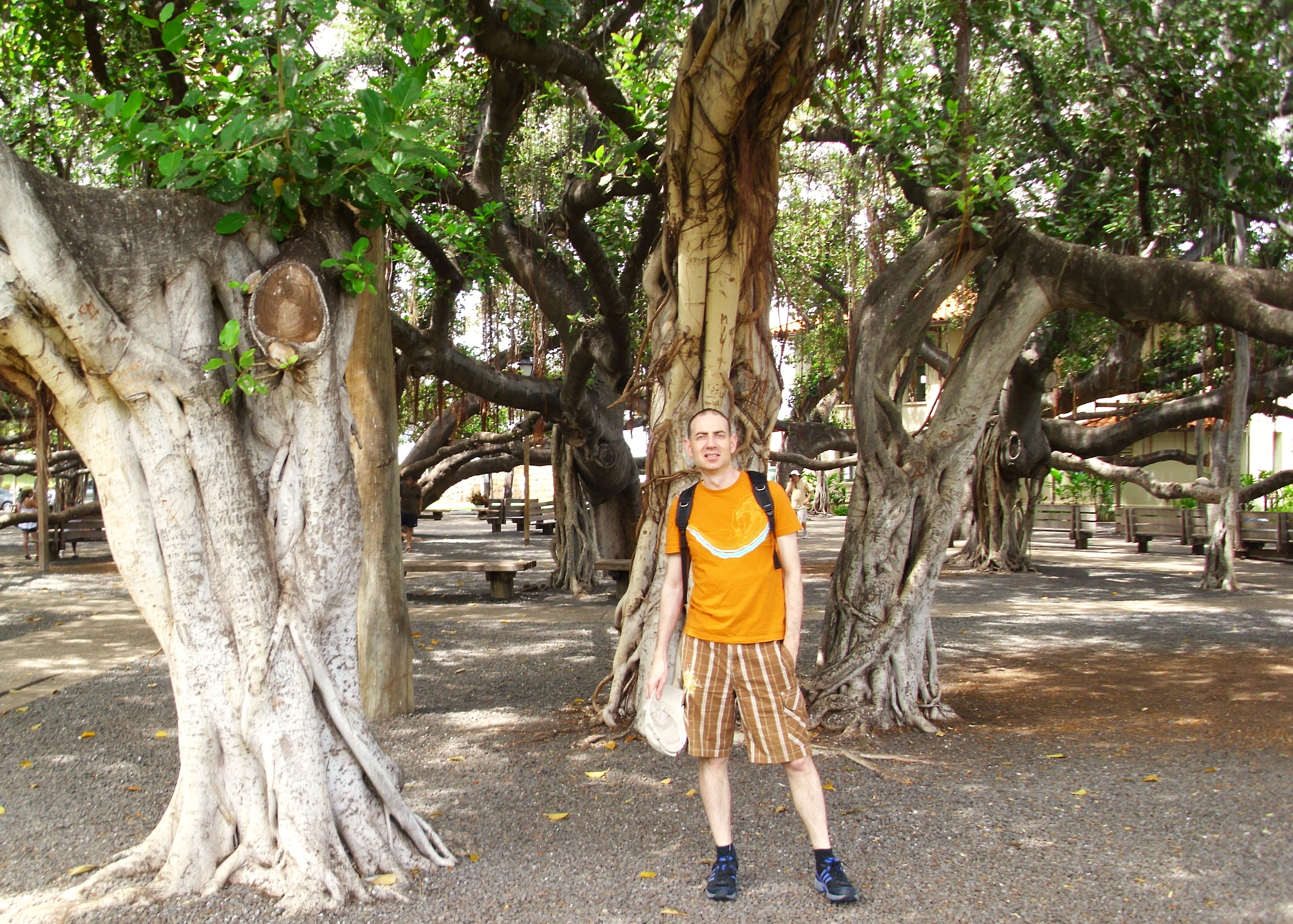
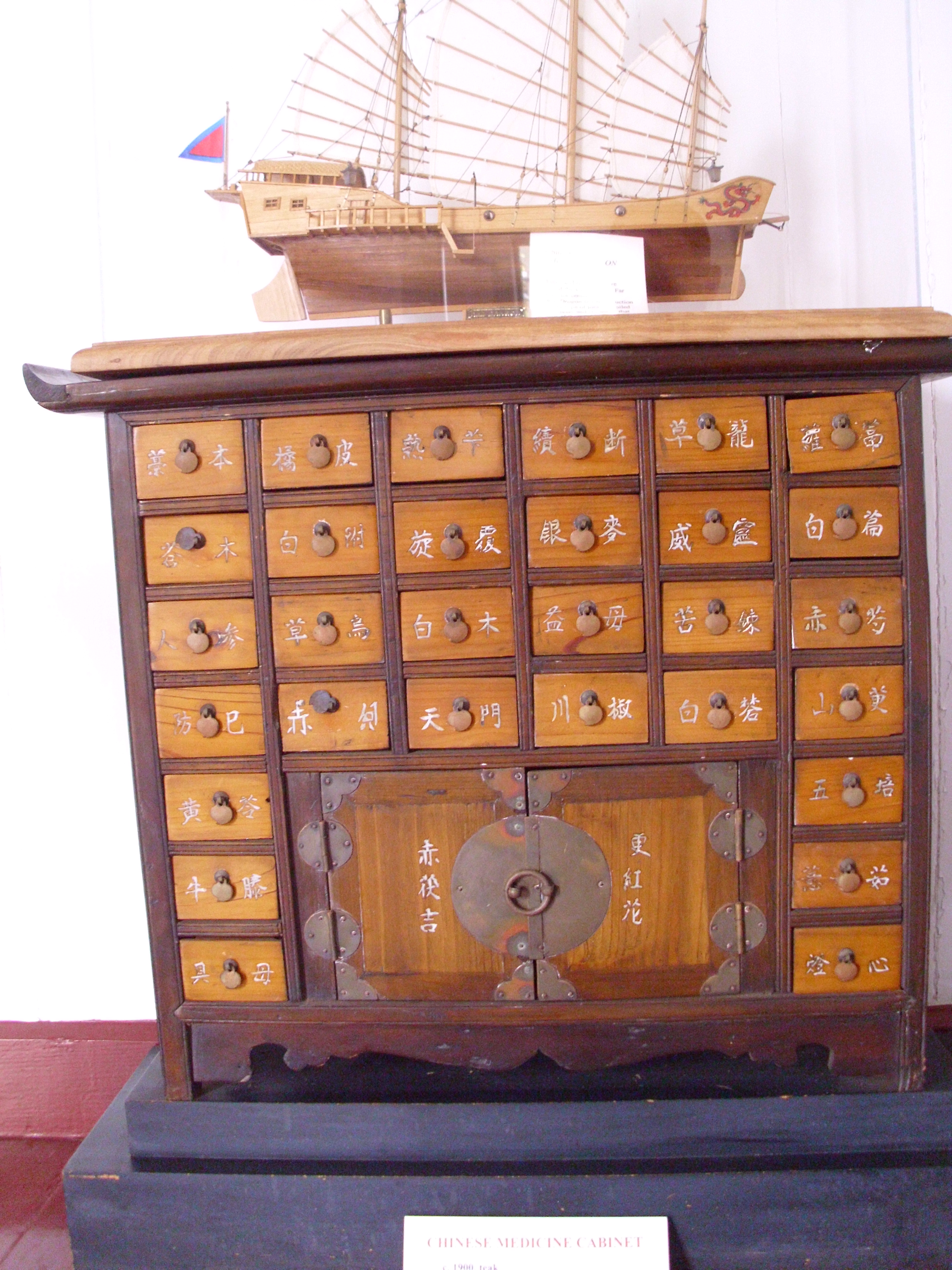
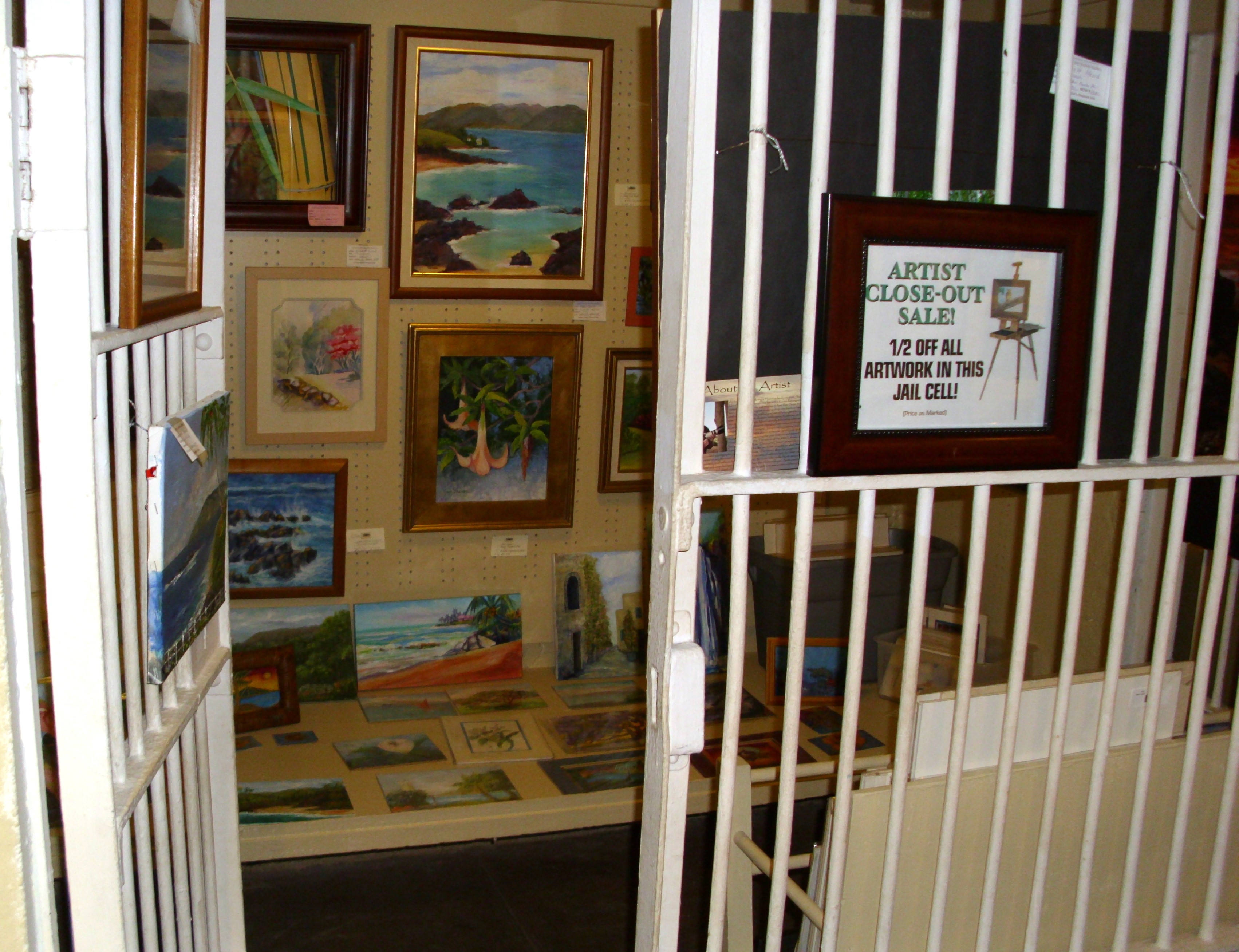
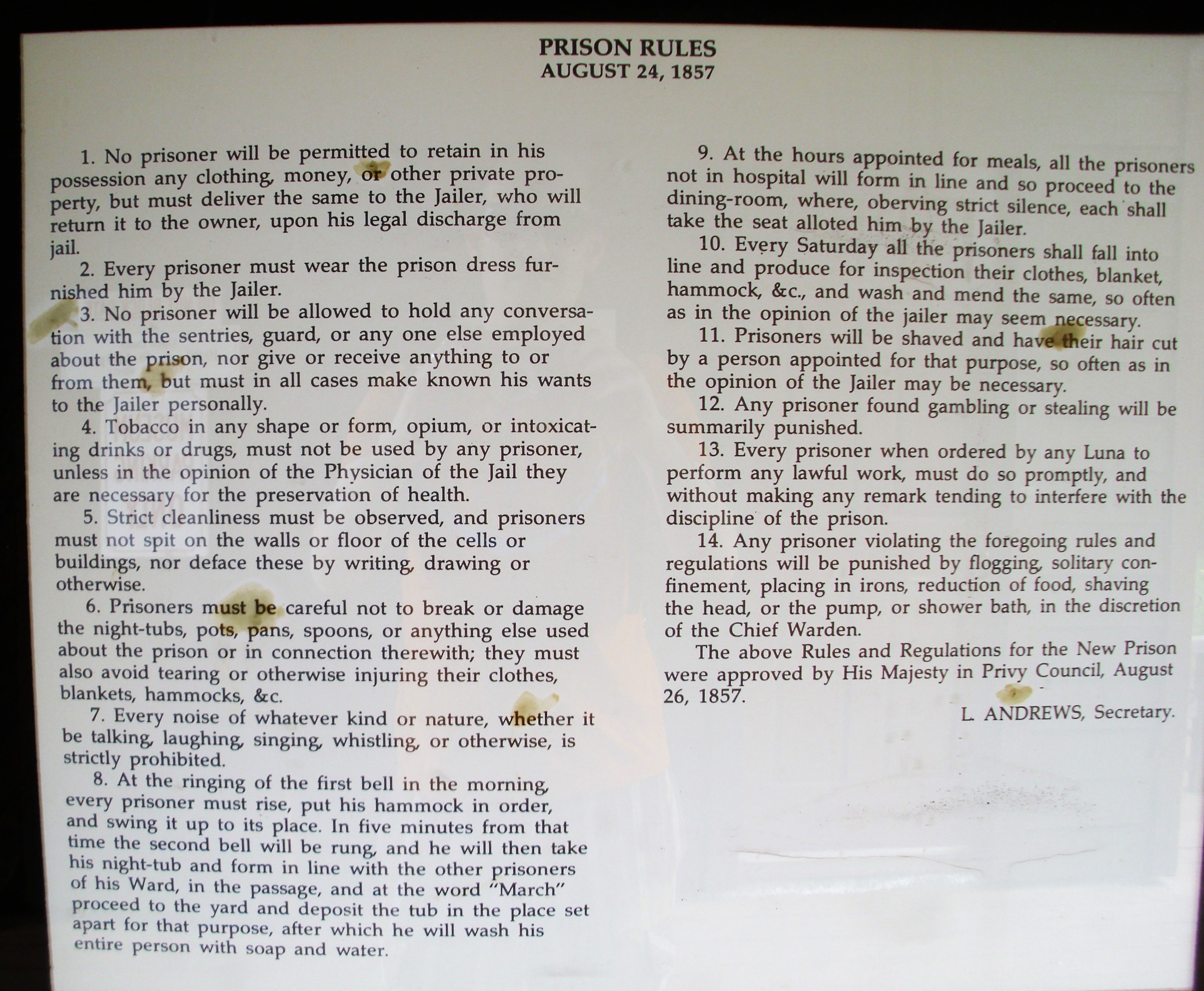
In 2011, prior to the start of a Sierra Club hiking trip, I spent two days in Lahaina, and it left a bittersweet memory – discovering a quaint, sleepy, laid back port town dating back to pre-Victorian times. So much was preserved – from its ethnic groups’ heritage (Chinese, Japanese) to the mansions of the rich to the Old Jail. And the waterfront looking out towards Molokai was lovely, lined with surfboard shops and art galleries. What an unimaginable loss of life, of culture, of history.






Authors Guild reading
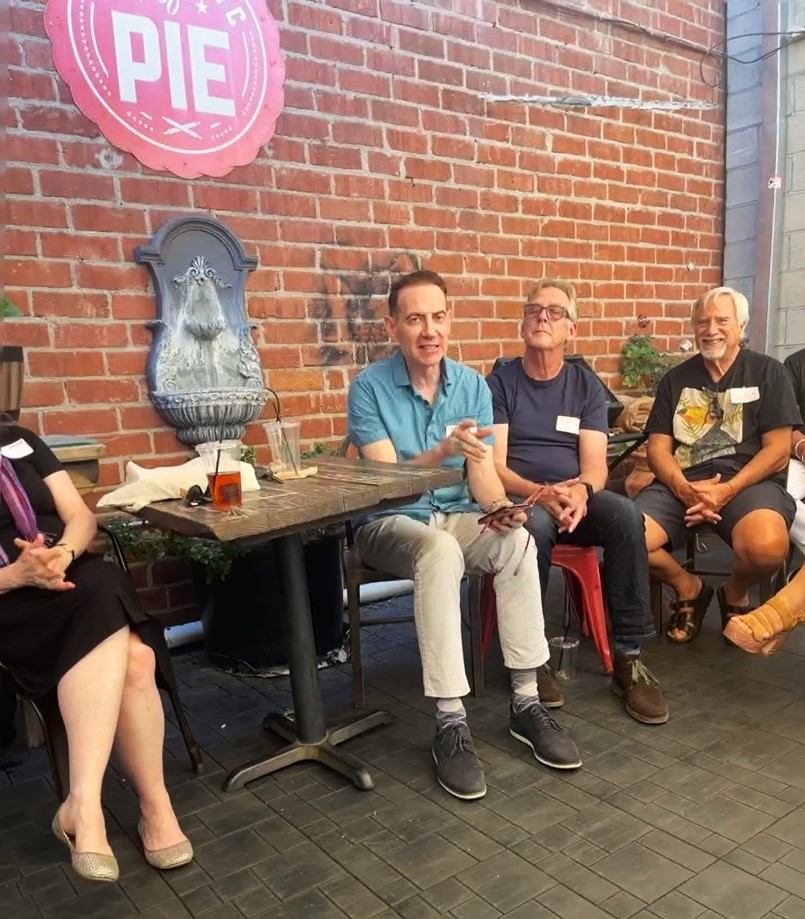
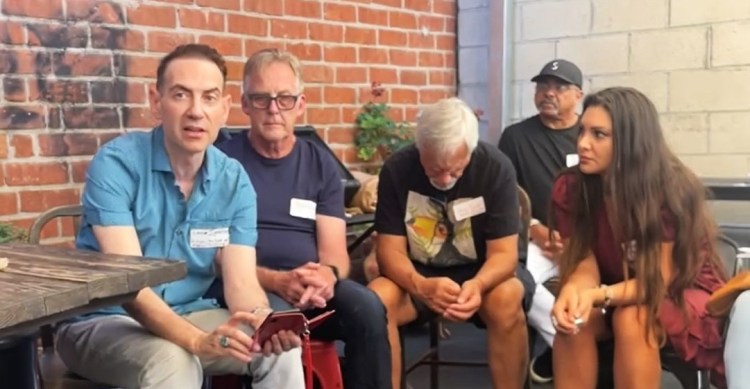
Reading my travel/spirituality essay “Out of Dark Depths” (Parabola Magazine, Winter 2022-23) at the Authors Guild / LA chapter meeting/reading in North Hollywood. Great group of writers; interesting stories spanning the globe from Ghana to Kaua’i to John Lennon at The Dakota to, in my case, Yucatan.
Presenting on inclusive English teaching practices
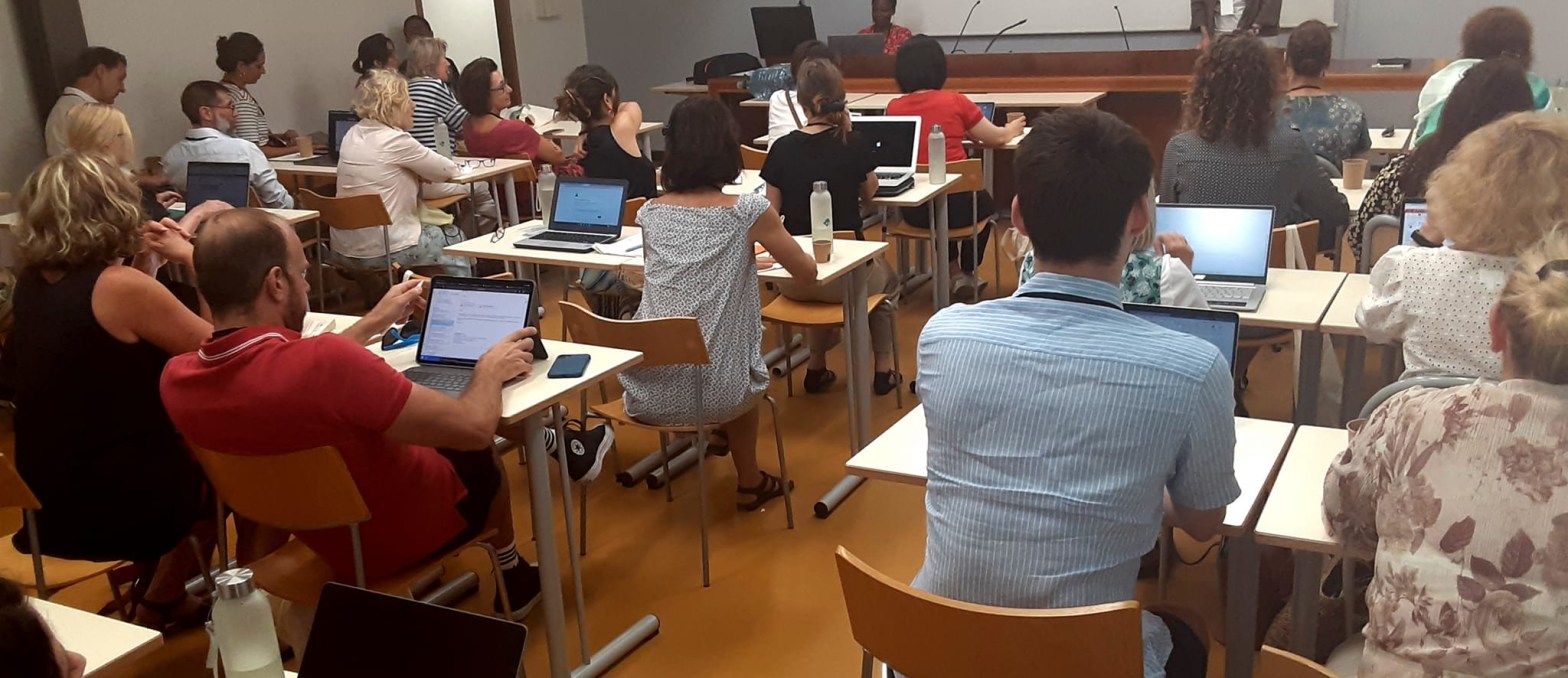
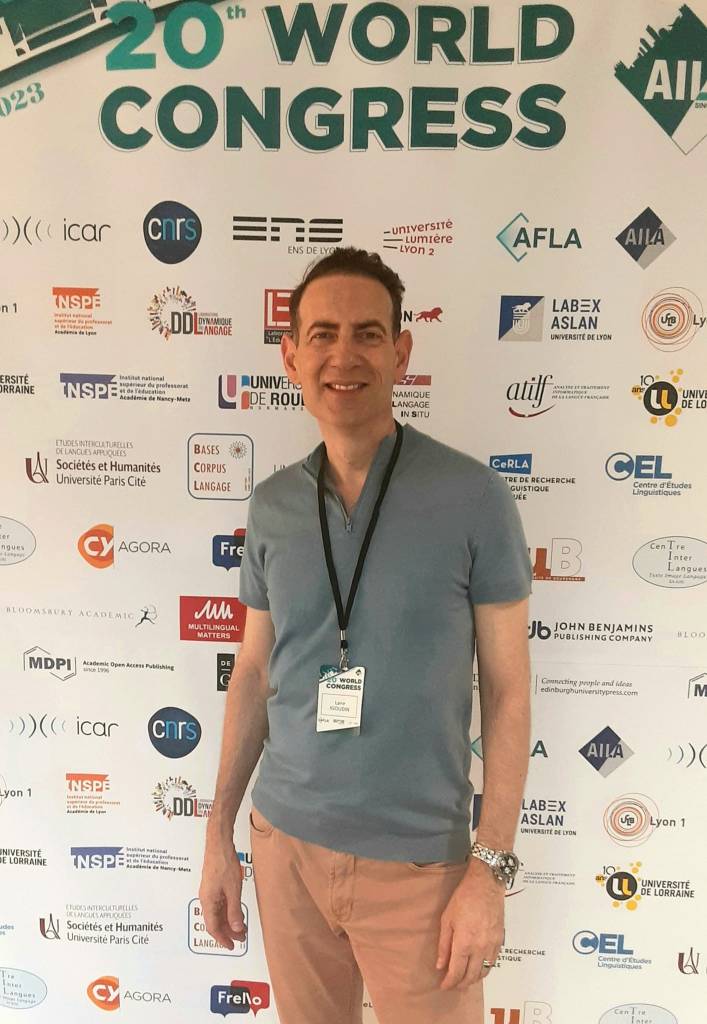
On July 19, I presented at the 20th World Congress of Applied Linguistics (AILA 2023) held at École Normale Supérieure in Lyon, France. My talk, titled “Teaching to the Strengths: Language and Culture Inclusive Pedagogies for California Latinx Students,” was part of a daylong “Diversity, Inclusion, and Pedagogic Practices in Culturally Different Educational Systems” symposium, which attracted 60-some participants. The symposium talks and Q&A were conducted in French, English, and Spanish without translation.
In this talk, I summarized my study of culturally responsive pedagogies in the English composition courses taught at Los Angeles City College and proposed a 3-part model for the inclusion of majority minority students in English courses:
- Redesigning language teaching curriculum
- Refocusing cultural context in the classroom
- Reintroducing linguistic diversity in student writing
The purpose of these pedagogies is both to validate and honor student identities, but also to improve the quality of student writing, something that I’ve written about previously. My study is included as a book chapter in a new volume on decolonizing language pedagogy and research (Routledge, 2023), where it is supported by classroom examples and relevant scholarship. I will be sharing these pedagogies again at an upcoming faculty training symposium at my college in August.
I am grateful for the support from LACC Foundation, which helped me to attend and present at the congress.
For a pre-recorded video of my presenation, taped for the remote participants in advance of the live talk, please contact me at laneigoudin@gmail.com.

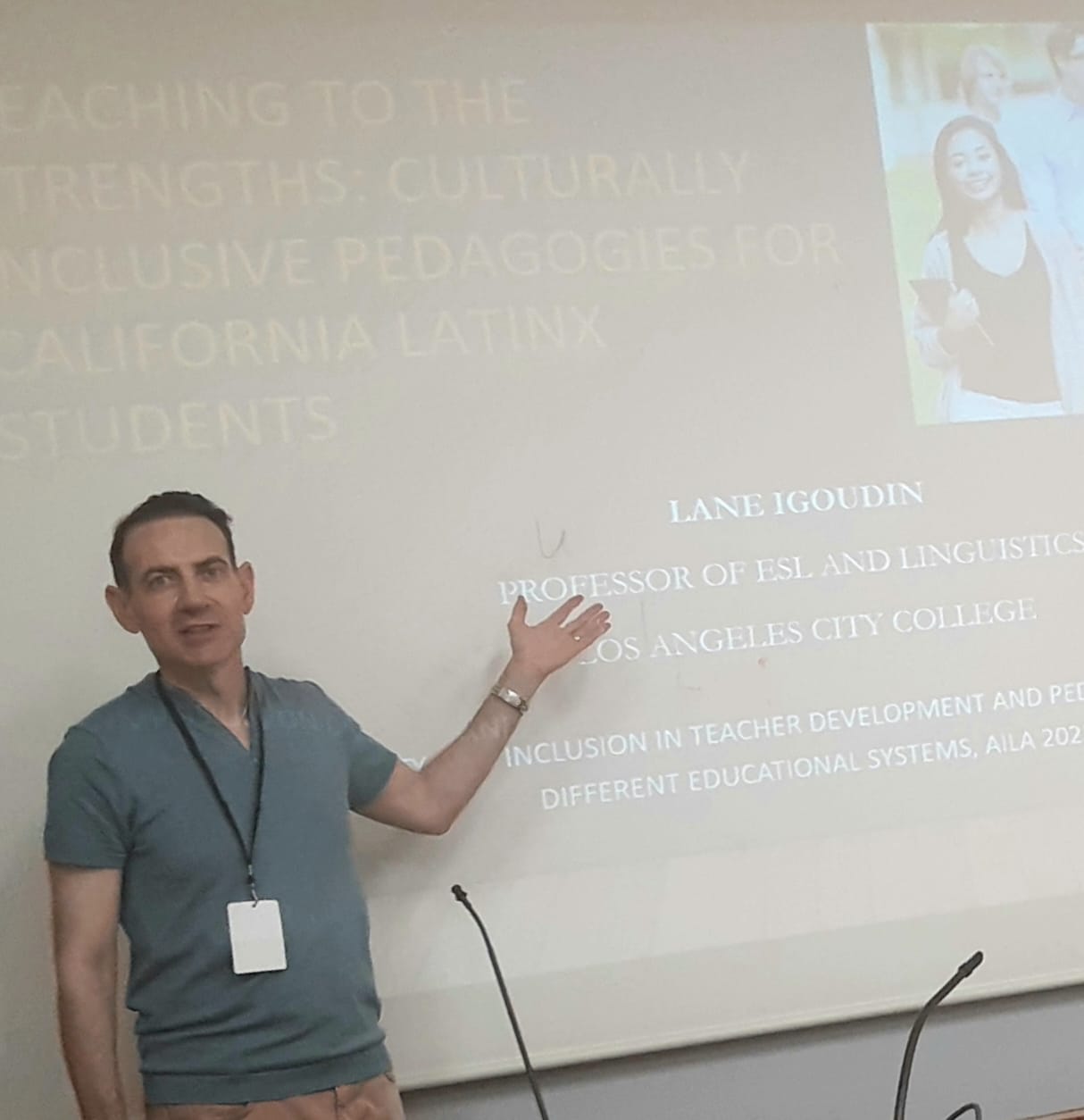
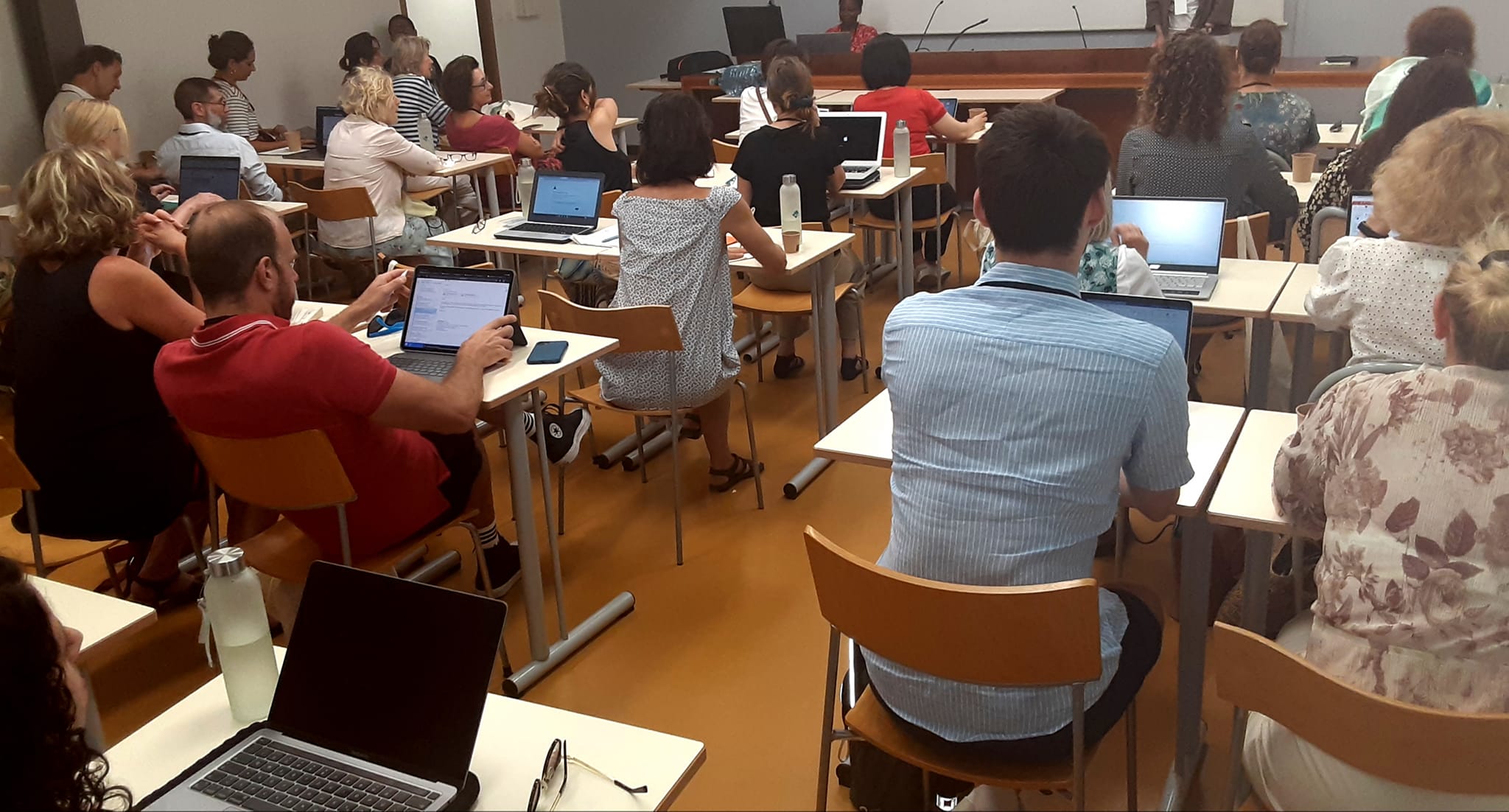
Photos: With the symposium organizer Paola Gamboa of Sorbonne University, Paris, and during the talk.

 Lane Igoudin | Author, Professor, Dad