Author talk, Father’s Day interview, and more

It’s shaping up to be a pretty packed summer.

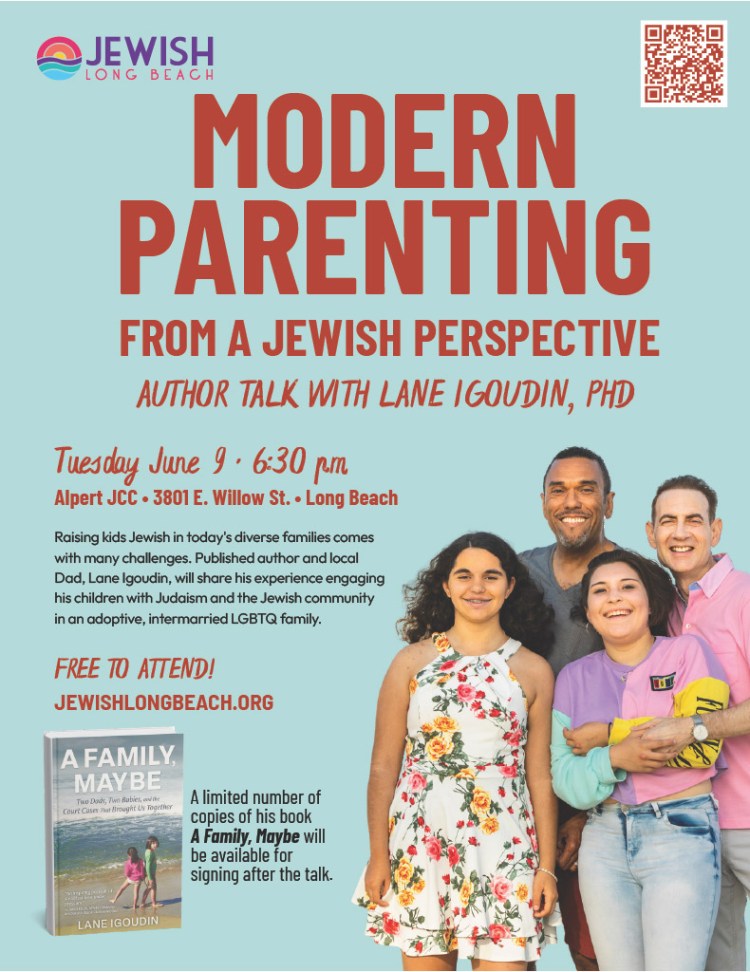
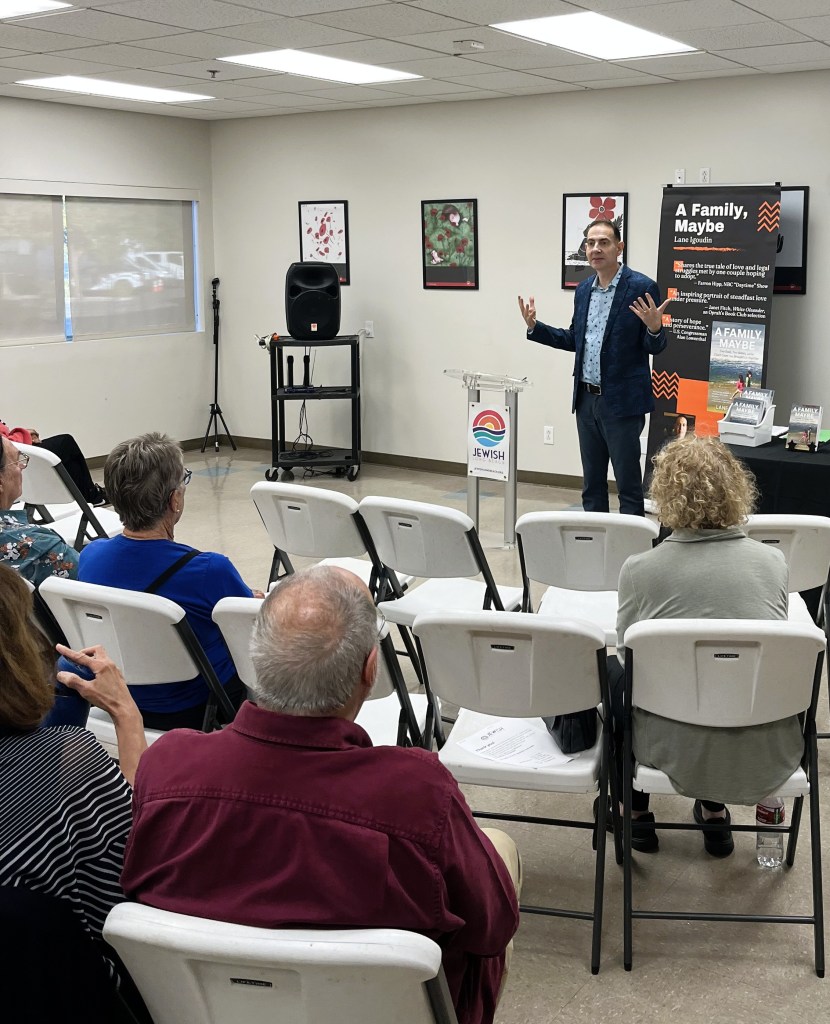
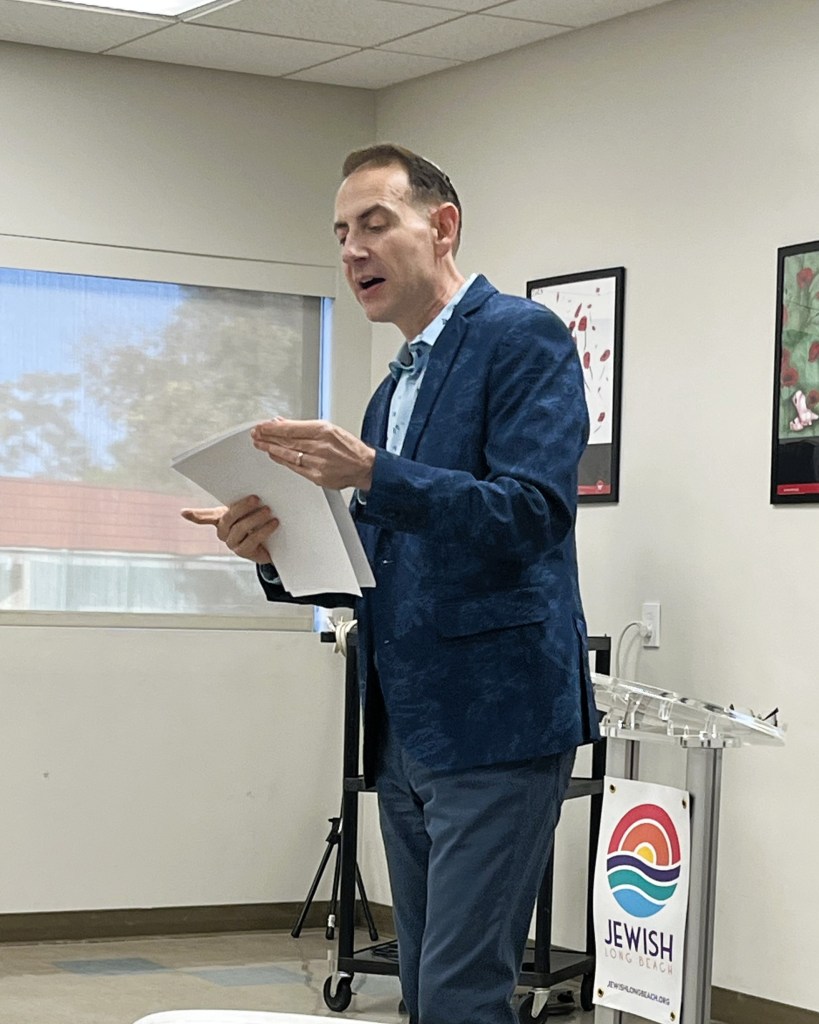
On Tuesday, June 9, I am giving a public talk at the JCC in Long Beach about our family journey which intersects so many communities and issues. I am including in my presentation insights from cultural and religious texts, reading from my book, signing – it will be a terrific event. Please come!

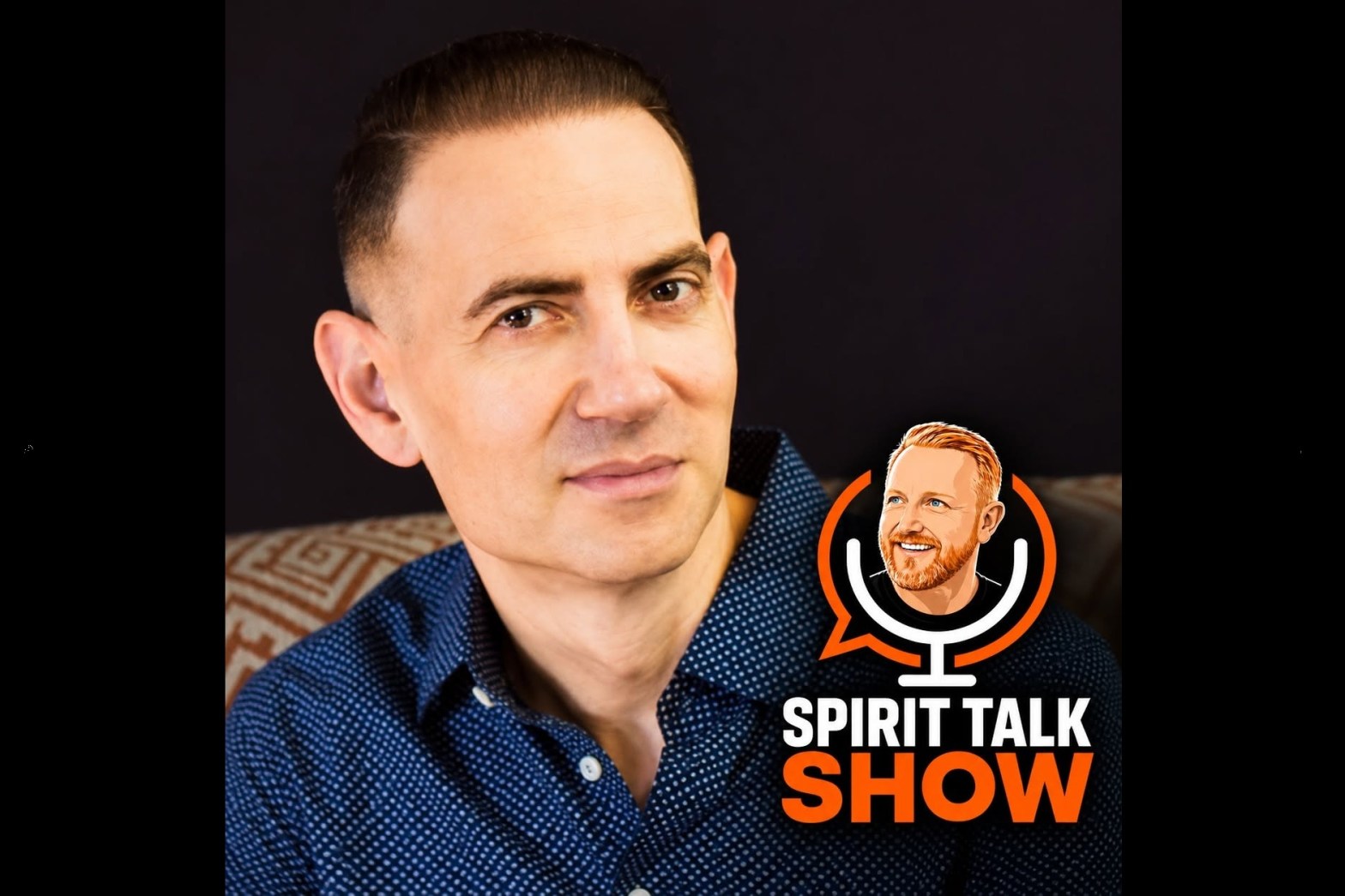
I am looking forward to the speaking with Doyle on June 3 on his popular The Spirit Talk Show: Bedtime Stories for Adults, “a storytelling podcast built on genuine human connection.” We’ve been in contact about the details of the interview for months, and I am excited about what this conversation might bring up.

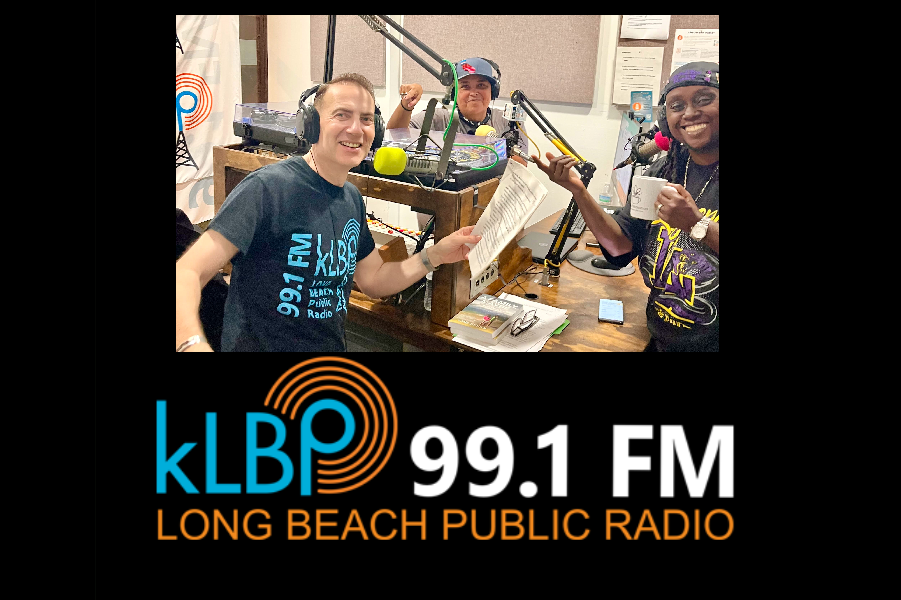
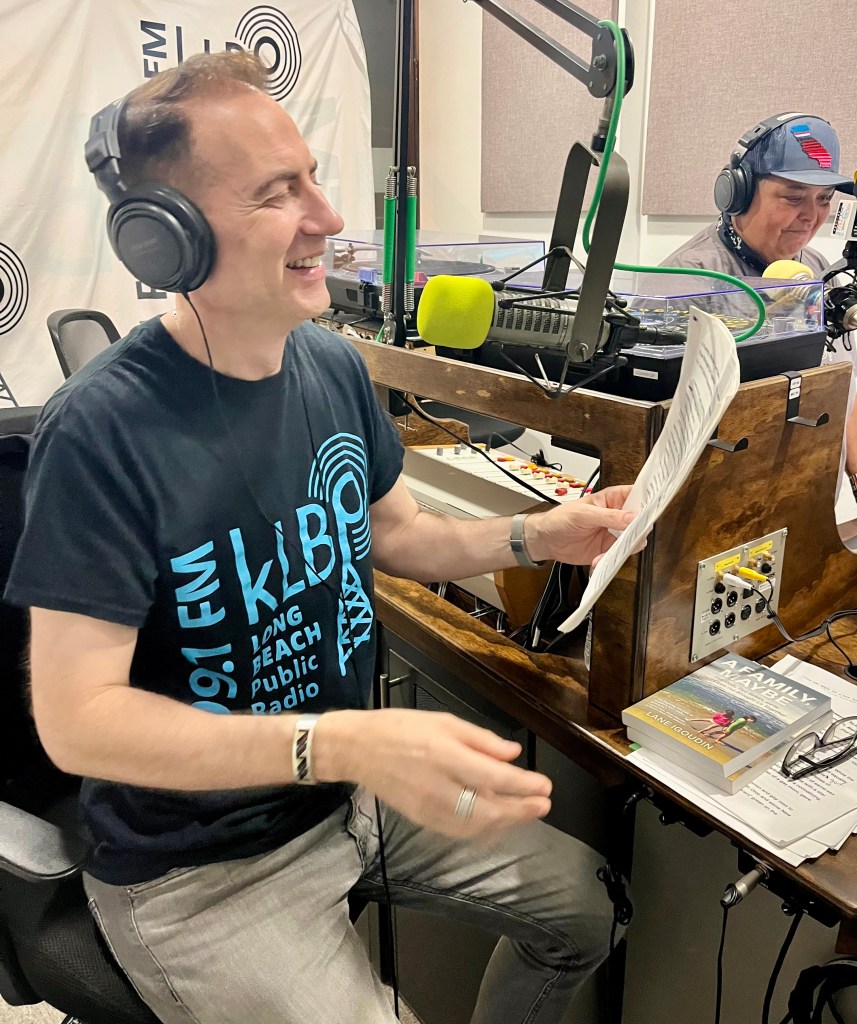
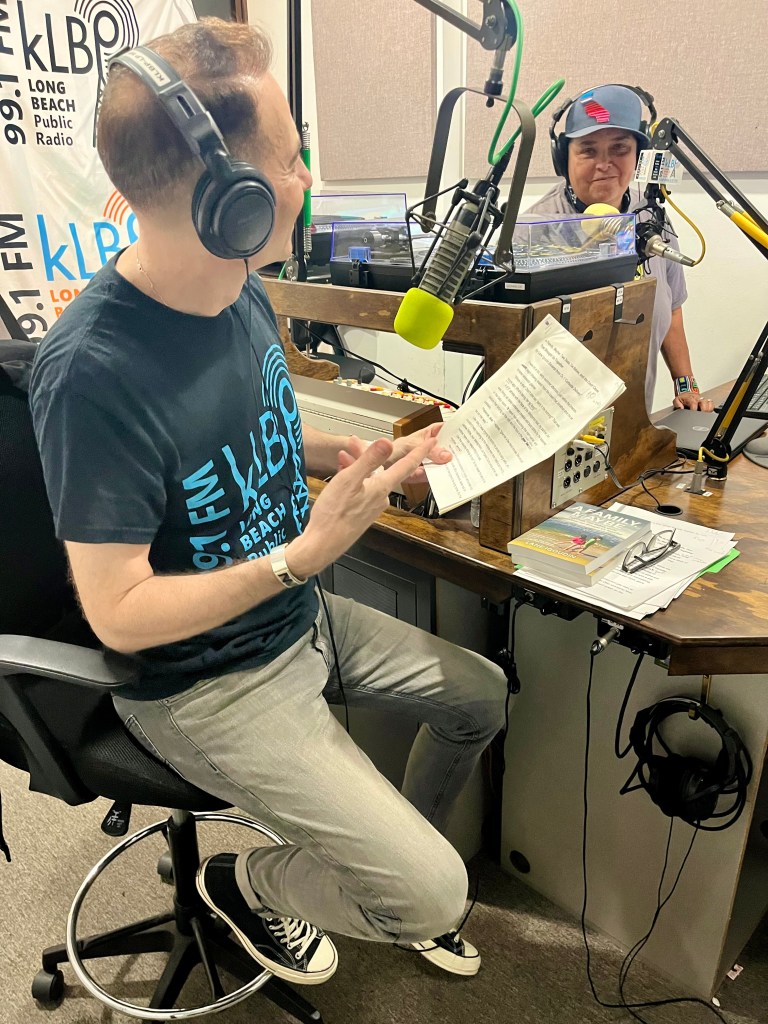
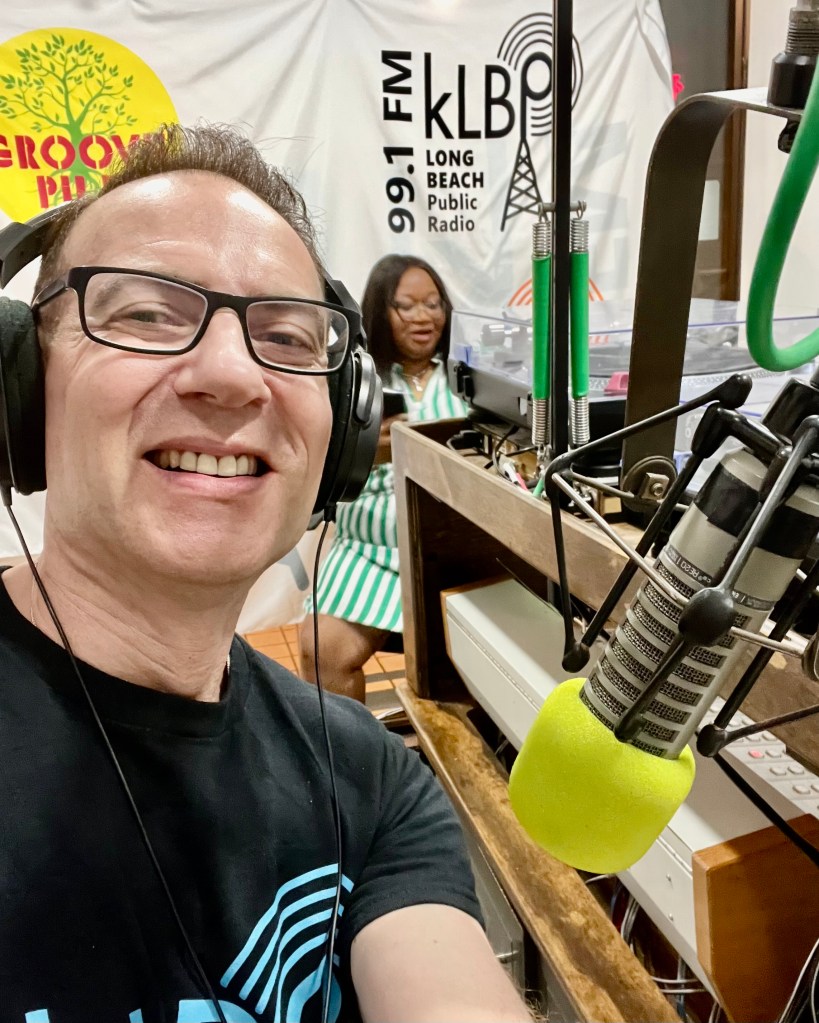
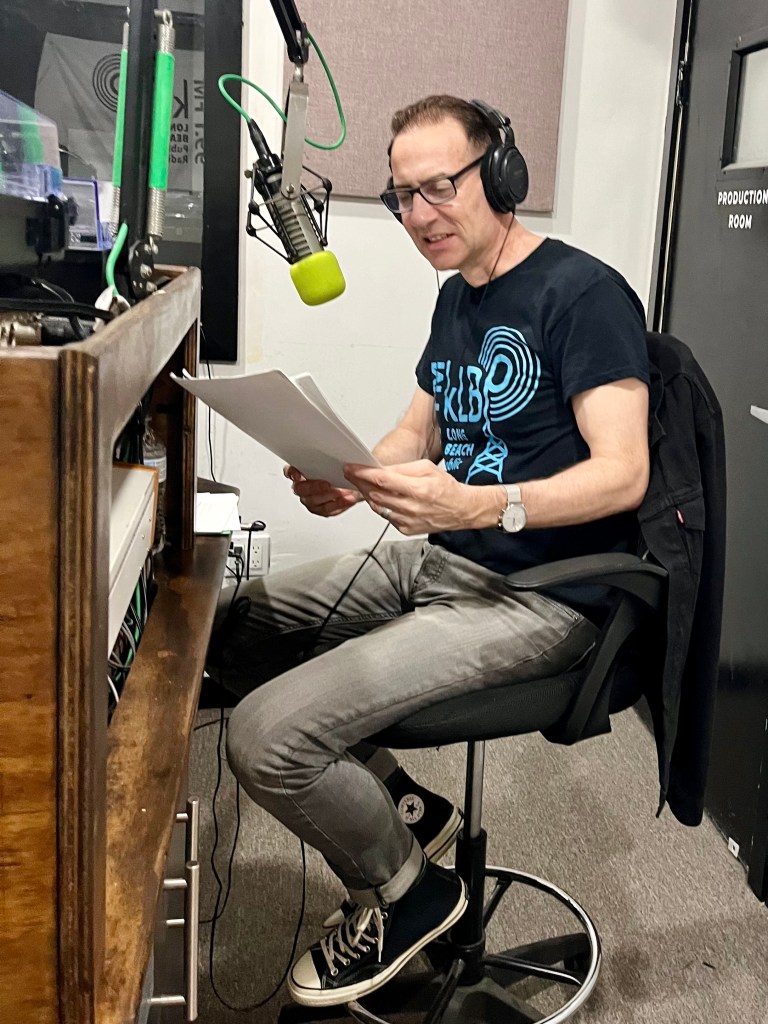
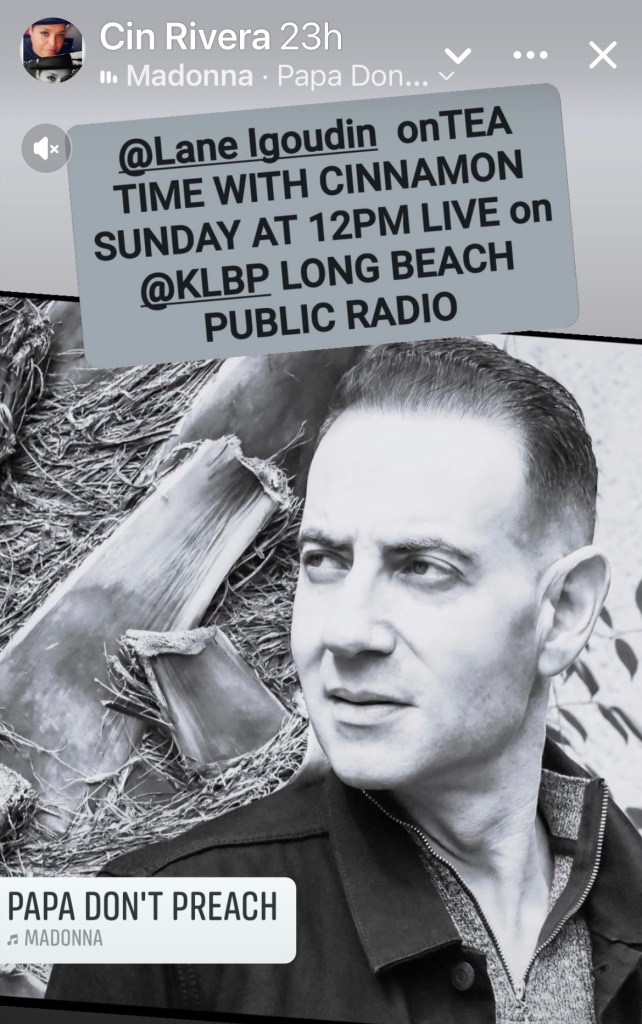
KLBP-FM has invited me for a live interview on Father’s Day, June 21. Given the day, I will, of course, be focusing on my personal journey to fatherhood, but also on breaking so many ‘you can’t’ stigmas in getting this book published: as a queer writer, a middle-age debut author, and a non-native language speaker.

What also makes it special is that I’ve done dozens of podcast and radio interviews, but this will be my first live, in-person studio interview.

The 50th issue of my newsletter, Blessing the Sea, is out, recounting an incredible learning experience of touring the Navajo Nation earlier this spring. Take a look!

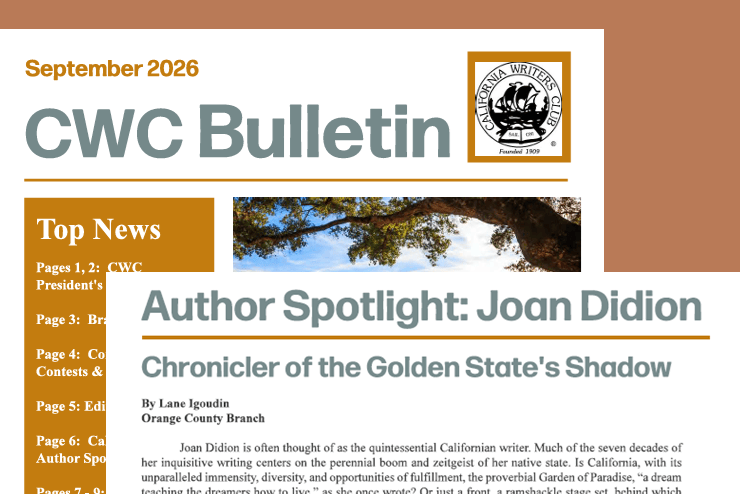
I am looking forward to participating in “Joan Didion’s California” panel at the upcoming 29 Palms Book Festival. Didion has been a primary influence on me as a non-fiction writer, speficially, her meticulous deconstruction of social issues through the lens of a personal experience. I’ve also taught her memoir A Year of Magical Thinking in my English classes and have much to say about it.

I will also be contributing an article about Didion to the Festival program.

There are more events being planned, so stay tuned!

Speaking at a Temple Beth Am / IKAR event

I had some pretty big shoes to fill last night.

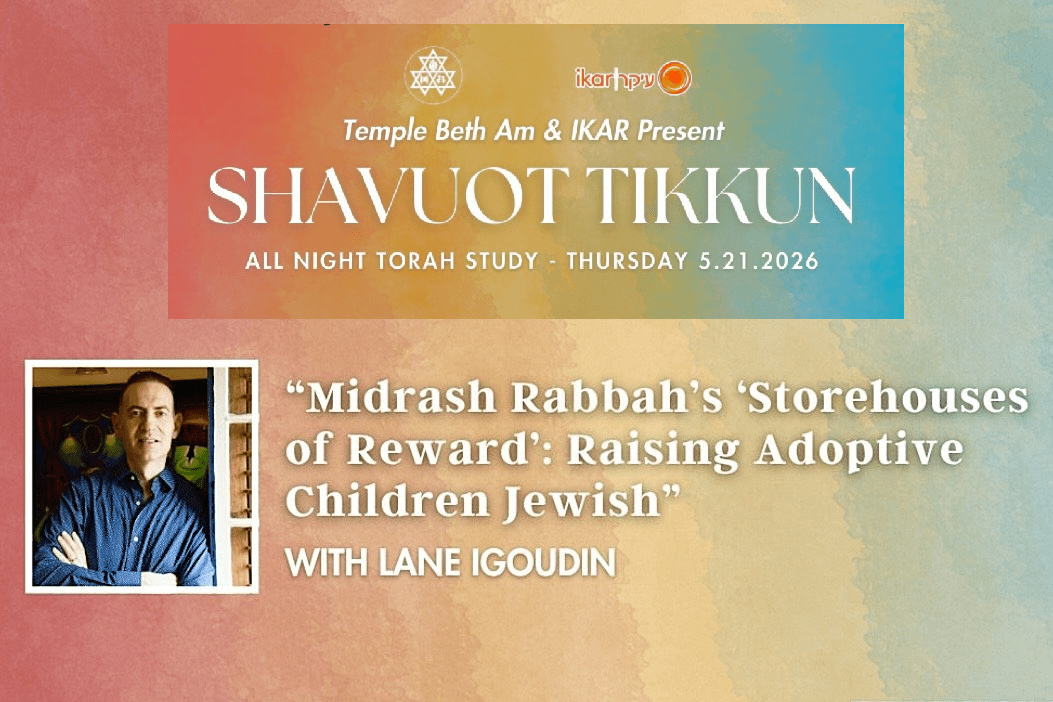
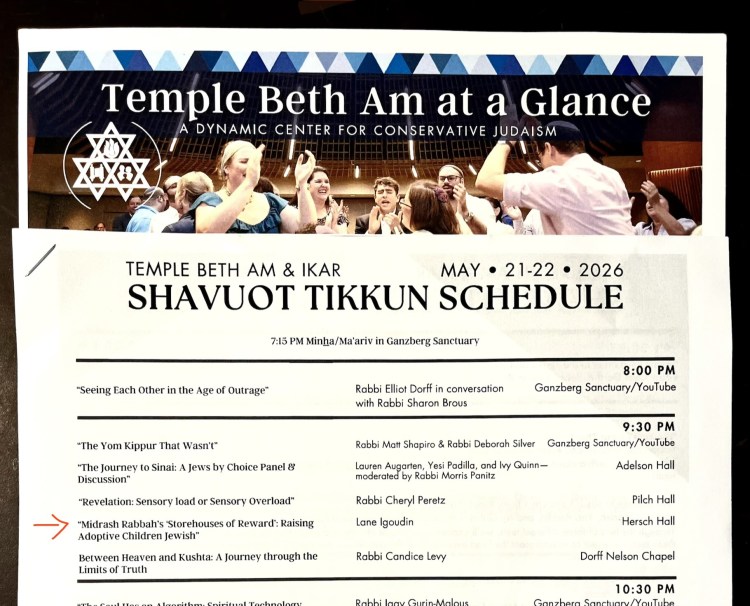
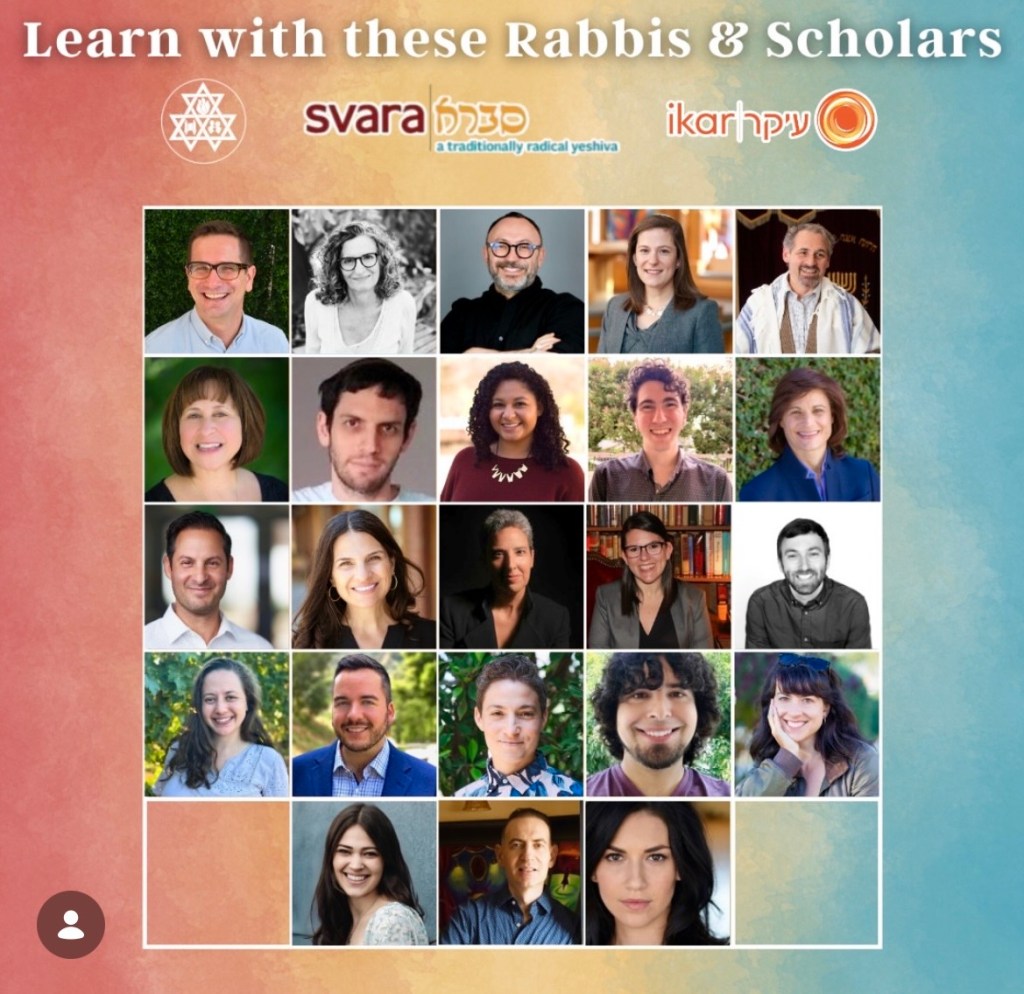
My talk about raising adoptive kids Jewish was scheduled alongside four others, immediately following a plenary featuring LA’s two most distinguished rabbis: Rabbi Elliot Dorff and Rabbi Sharon Brous.

I was nervous, but I came prepared with an assortment of sources from classical Jewish texts addressing adoption and Jewish parenting, augmenting them with stories from our hands-on experience and passages from my book. My talk was part of the TBALA/IKAR lineup for Shavuot: the Jewish holiday in which we celebrate the giving of the Torah on Mount Sinai with an all-night study of holy and relevant texts.

I had a good group of attendees who brought much to the discussion, and in the end, it was exactly what it was meant to be: an intense learning experience.

At the Long Beach LGBTQ Center Library opening

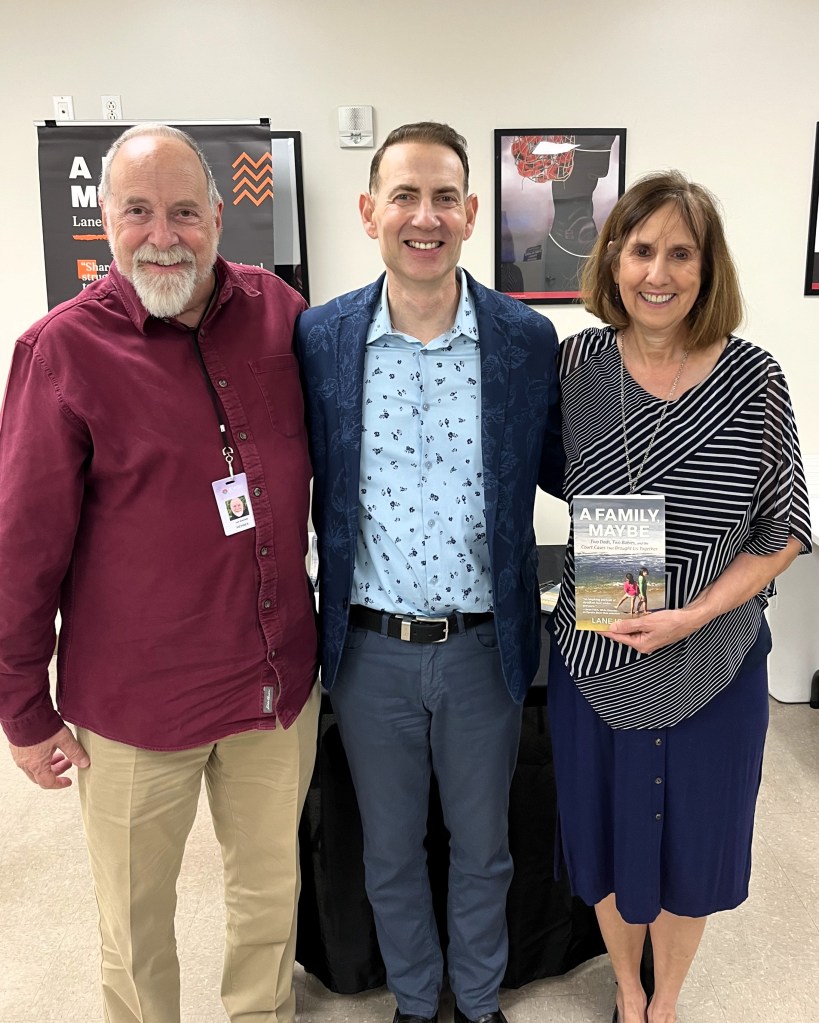
Thrilled to be part of the opening of the Center’s new Booher Library. The event called “Pride in the Pages” included 9 authors. We read, we talked, we signed books, we all had a good time! Glad to see now a central place for LGBTQ literature in our large, diverse hometown.

My latest JJ article rediscovers a forgotten Jewish kingdom

My article uncovers the spectacular rise and fall of a once flourishing Jewish kingdom of Himyar in southern Arabia. It appears on p. 24 of the Jewish Journal in print (April 17-23, 2026, p. 24) and online,

The story carries a particular resonance today as in some ways, it echoes the ongoing conflict in the region.

To write about it, I dug deep into the recent books by Oxford and Cambridge historians in order to share it with the JJ readers. What I found there astounded me . . .CONTINUE TO READ ONLINE →︎

A stone inscription celebrating a victory of the Jewish Himyarite King Yusuf located near Najran, Saudi Arabia.
Early 6th century CE [Wikimedia Commons, 2021]

See my previous articles in the Jewish Journal:

The Vanishing Bridge | Jan. 31 – Feb. 6, 2025, p. 24 | Jewish Journal

The Third Hand: Finding Spiritual Comfort in Empty Nesting | August 9-15, 2024, p. 24 | Jewish Journal

On It’s Both

Three Years in the Maybe” is the title of the episode in which therapist Nikki Piispanen is interviewing me on her podcast It’s Both: Living in the Messy Middle.

It’s Both is described as: “Top 5% podcast globally. For people exhausted by the pressure to pick one feeling, one answer, one way forward. We explore what happens when you let more than one thing be true at the same time.”

Here is a short fragment from the interview.

For the full episode, click here.

Reviewing a unique memoir, The Shochet, in Tablet

The Shochet, (Touro U. Press, 2023-2025), is a rare, complex, and important document of life in the Pale of Settlement in the late 19th – early 20th century. I came across the book by accident and felt a particular affinity for it when it mentioned the shtetl near the Ukrainian / Bessarabian border where my grandparents were born.

In The Shochet, Pinye-Ber Goldenshteyn recounts his tumultuous life journey as an orphan and later a working shochet (kosher slaughterer) in Podolia, Bessarabia, and Crimea. Through a myriad of rich details of his narrative and juicy stories, we get to observe the dramatic transformation of the Pale in the 1860s-1910s. The poor, oppressed, but generally stable Jewish way of life that Goldenshteyn is born into is within a few decades taken apart and ultimately destroyed by the rising nationalism, secularism, and revolutionary socialism. This historical drama also unfolds in Goldenshteyn’s own family as most of his children abandon strict religious observance in favor of modern lifestyles and relationships. 

Goldenshteyn’s memoir is one of the first surviving Yiddish-language autobiographies, but it had only appeared in English in short excerpts. The 2-volume edition which I am reviewing in Tablet is its first complete English translation. 

The Shochet is unique as well in being penned not by a famous and secularized Jew, the two categories usually going together, but by someone from the ranks of the poor and traditional mass of Jews who populated the Pale. His depictions are folksy and candid, and as such are often more effective, even devastating at times, exactly because of their unvarnished candidness. 

You can read my full review here or by following the link below.

On The Making of Me

A reflective conversation on The Making of Me, a podcast focused on personal growth and life-shaping moments. This is also my first interview in Nigeria!

Listen at https://apple.co/4lOR9Qb .


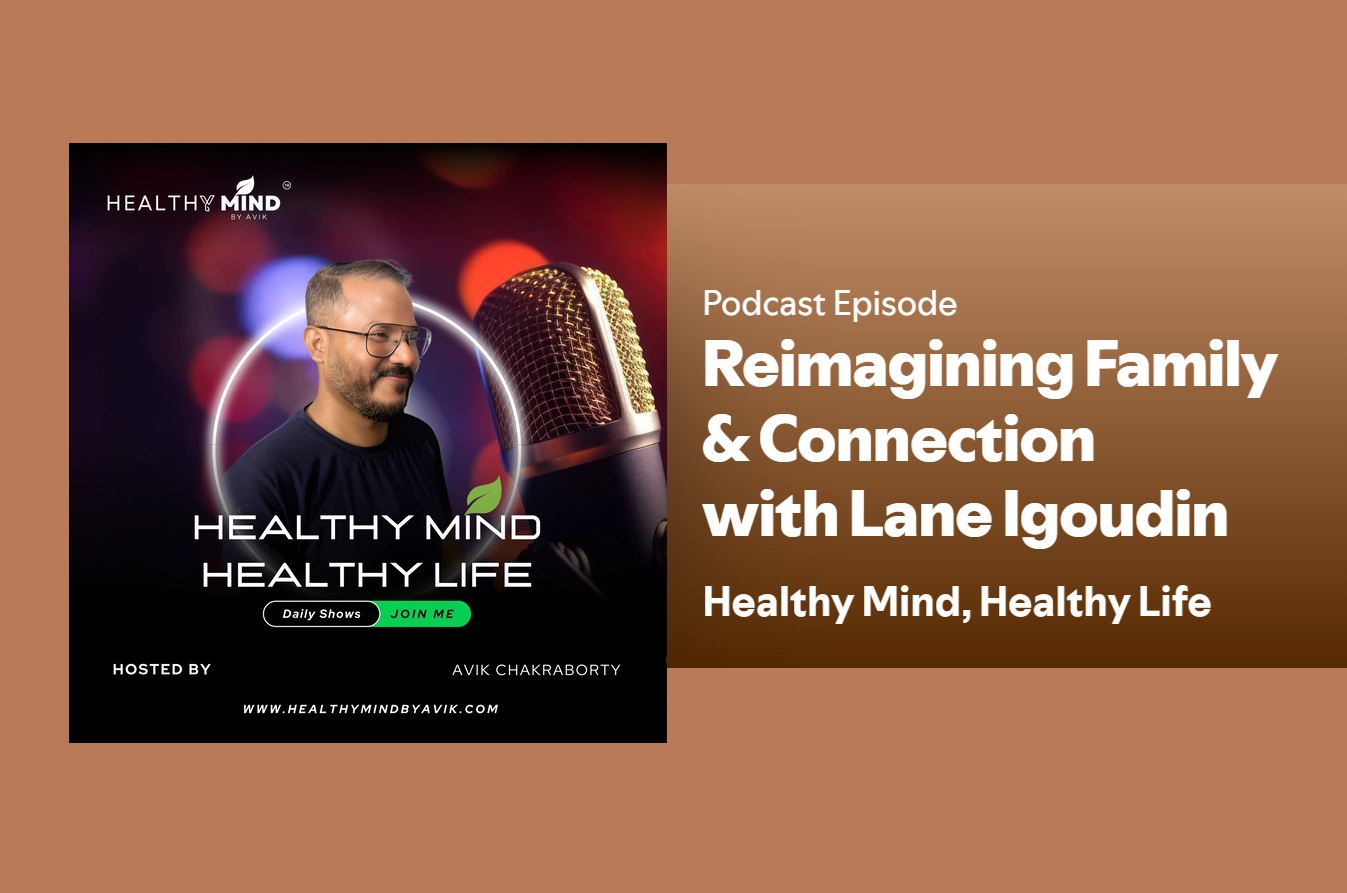
If you’ve ever considered adoption, especially through the foster system, this candid conversation with Lane Igoudin, author and adoptive parent, will inspire and inform you.

Lane shares his three-year journey to keep his family together, revealing the unique challenges of navigating the foster system, building a family as an LGBTQ parent, and the emotional rollercoaster that comes with intentional parenting.

From profound lessons in resilience, mindfulness, and the beauty of everyday moments—this episode is packed with insight and heart.

Lane also opens up about writing his memoir A Family Maybe, and what he wishes he had known at the start.

This story is for anyone seeking a raw, hopeful look at adoption, family, and what it means to truly show up for those you love. Grab your copy of “A Family Maybe” on Amazon, Bookshop, or your favorite retailer.

“How do working writers manage parenthood?”

Thrilled to be part of Pen Parentis’s recent “Fluid Boundaries” Salon – a panel of writers who are also parents!


PS. On a personal note, I am much indebted to Pen Parentis, specifically, to the writers’ group led by Laura Wheatman Hill, where we meet weekly to set writing goals for the week and report on our progress. It’s a very warm, supportive community of writing parents which holds me accountable to keep working, keep writing.

Speaking about Jewish parenting values

Jewish parenting values I learned throughout our foster-adoptive family journey was the central theme of my talk at the historic Temple Beth El of San Pedro, California.

I had a lot to share and quite a few sources to bring in. Here are just a couple of Midrashic soures on the Jewish view of adoption.

In discussing why Moses, raised by the Pharaoh’s daughter, is later on referred to in the Torah as being yaldeah (‘her child’). Gemara asks, “Why ‘yaldeah’? Pharaoh’s daughter bore Moses? But didn’t she only raise him? Rather it tells you that anyone who raises an orphan boy or girl in his house, is given the credit as if he gave birth to him.”
(Megilla 13A).

After saying to Moses, “I will be gracious to whom I will be gracious” (Exodus 33:19), [G-d] showed him all the storehouses of reward that are designated for the righteous.
Moses asked, “Who does this storehouse belong to?”
“It belongs to those who perform mitzvot,” replied G-d.
“And who does this storehouse belong to?”
“It belongs to those who raise orphans.”
(Midrash Rabbah 46)

My talk was part of a fundraising community dinner, which followed Friday night services. As part of it, I read from my book, answered questions, and signed a few books (though not sold them because it was after the start of Shabbat).

And as always, a few attendees stayed on to share with me their own adoptive experiences, and I listened, listened, and listened.

Reading at SWM Writers’ Showcase

I read “Of Love and Borscht” at the SWM Writers Showcase, a 2-hour show of local writers in Palos Verdes last weekend. My oddball piece, an essay based on a chapter from A Family, Maybe and republished by the food blog One Potato, fit in well with a line-up that ranged from speculative fiction to interactive Old English poetry to a singing trio (!!!). Thank you, Southwest Manuscripters, for putting it all together.

🎥Watch my 6-minute reading here. (Recorded by Troy Kelley)