Time is a strange thing. As our lives go by, it means absolutely nothing. And then, one fine day, we are aware of nothing else. It is all around us. It trickles over our faces, it trickles over the mirror, it streams between my temples.
—From “Der Rosenkavalier,” Act I (libretto by Hugo von Hofmannsthal), 1911
Dear Friends,
We live in tumultuous times, which cause plenty of worry, anger, and frustration. Trapped in the news cycle, it is easy to lose sight of a deeper, broader, timeless reality. Mountains crumble, people age and die, babies grow up, the ocean tides roll in and out – no matter what happens in Washington or anywhere else. That is the place to find refuge and solidity.
Zen offers a path to seeing into this true, timeless reality by noticing small things around us and engaging with them immediately and fully. Take a look, for instance, at this haiku poem by Bashō (1644-1694):

The old pond, ah!
A frog jumps in:
The water’s sound!
Reading lines 2 and 3, allow your consciousness to open up directly to the picture and the sound they portray. You can then experience what in Zen is called satori – a full openness to reality, undimmed by anything else. No logic, explanation, or Googling for more info is needed. It’s just there.
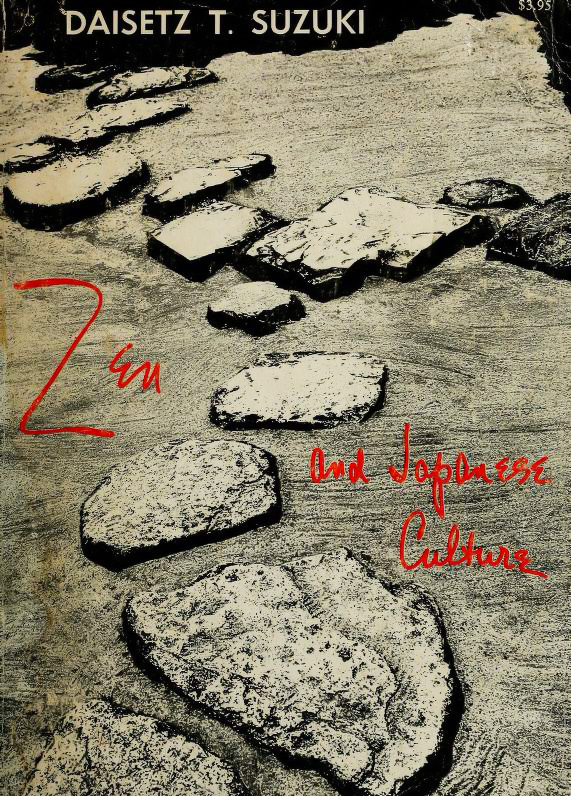
“The human mind is chock-full of ideas and concepts. When a [human] sees a flower, he sees it clustered with all kinds of associated analytical thoughts, and it is not a flower in its suchness.”
—D. T. Suzuki, Zen and Japanese Culture
Try reading this haiku again. Did you hear the splash of water?
The enigmatic quote which begins this post comes from an aria from Richard Strauss’s opera Der Rosenkavalier.
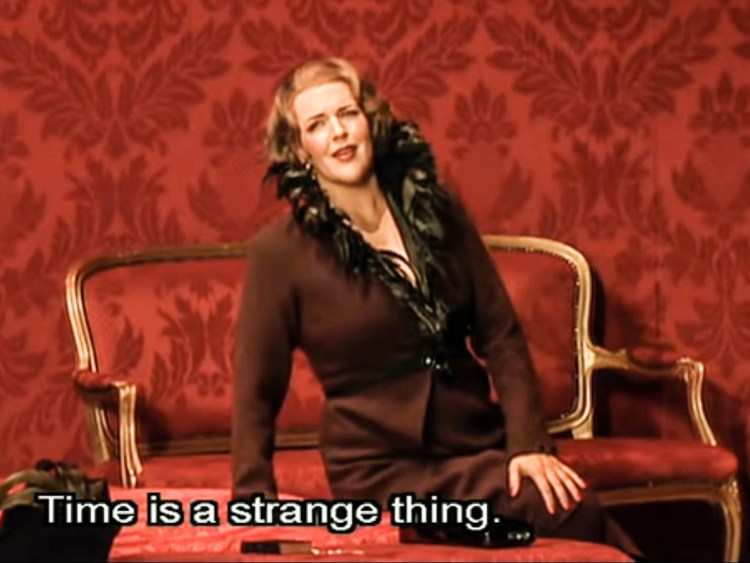
In it, stepping out for a minute of her comical, yet desperate affair with Octavian, the aging Marschallin reflects on the passage of time and realizes that she is much closer to her death than her youth.
Strauss literally underscores this moment by using a harp and a celesta (a bell-piano) to mimic the sounds of a clock. You hear this orchestral clock chiming 13 times as a premonition of death, ending the Marschallin’s aria, and putting her life and her fleeting worries and pleasures into a sobering perspective. Noticing the time “streaming between my temples,” the Marschallin knows that she has to let go of Octavian – for her own peace of mind.
One way I find freedom and openness to reality is when I go off spontaneously off the schedule. I disrupt the routine to do something I truly want at that moment, or – to do nothing at all. It takes stepping outside of routines to realize how insignificant they often are, and that true life happens all around us without us noticing it.
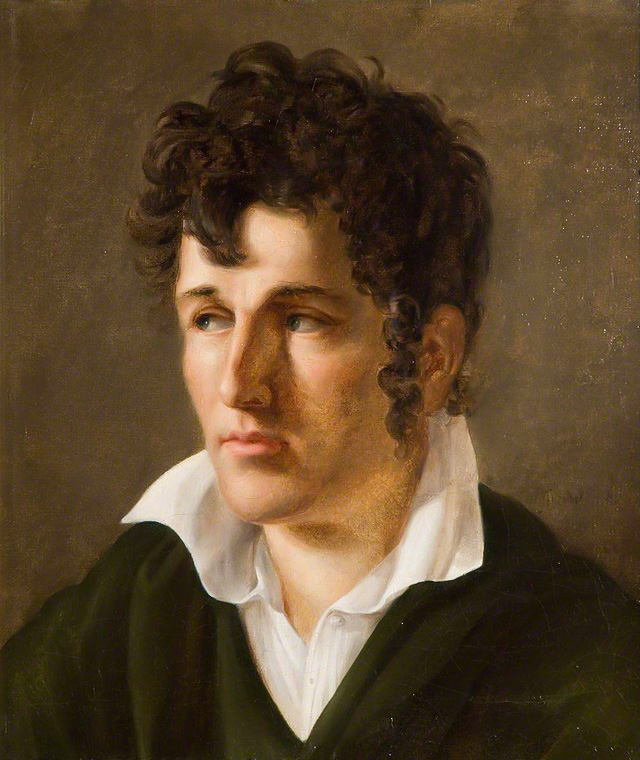
“Time is a veil between ourselves and G-d, as our eyelids are a veil between our pupils and the light.”
—Francois-René de Chateaubriand.*
So prayer too is a gateway to timelessness, to G-d.
Every morning, as part of the Shema, it is traditional to recite the “Atah Hu” [“It Is You”] blessing:
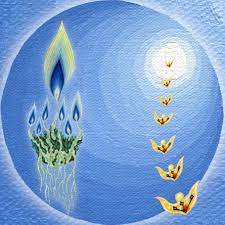
It was You who existed before the world was created.
It’s been You since the world was created.
It is You in this world and
It is You in the world to come.
Every time I say these lines, I feel that the whole of eternity opens up, erasing the news of the day, anchoring me in something that is always real.
I truly hope that in these days of instability you can connect to something larger, something permanent. It’s always there, available to you.
May you live in a time of peace,
-Lane
* I promise to write more about Chateaubriand and his transcendental Memoirs another time.
 Lane Igoudin | Author, Professor, Dad