We have a special obligation to see things in a dual light: in the simple sense, but also in the sense of perceiving the hidden facet – the potential lying within that which is revealed in actuality.
—Rav Yehuda Amital, “The Steps from the Depths” (1974)
Did you hear a claim during this month’s elections that the voters’ outcome was determined by the hand of G-d?
I am not the one to decipher the Lord’s will in this election (nor in the US elections in 2004, 1964, 1924, or 1884), but G-d’s involvement in history interests me. I believe in science and human history, but I also believe in a higher power, and while to me, the two operate in different dimensions, they also seem to intersect in Jewish history.
For millennia, Jews have been engaged in and guided by their relationship with G-d. It’s a two-way street: we pray, we do things we believe are Jewishly right, and hope and rely on G-d to support us. A person of faith, therefore, can’t help wondering about His role in the two most formative events in our recent history: the Holocaust and the creation of State of Israel, the two events that stand out in their enormity, no matter what historical reasons could have brought them on.
“I clearly experienced the hand of God during the Holocaust – only I did not understand its meaning,” wrote Rabbi Yehudah Amital, who survived the Holocaust as a young man in a labor camp, while the rest of his family perished.
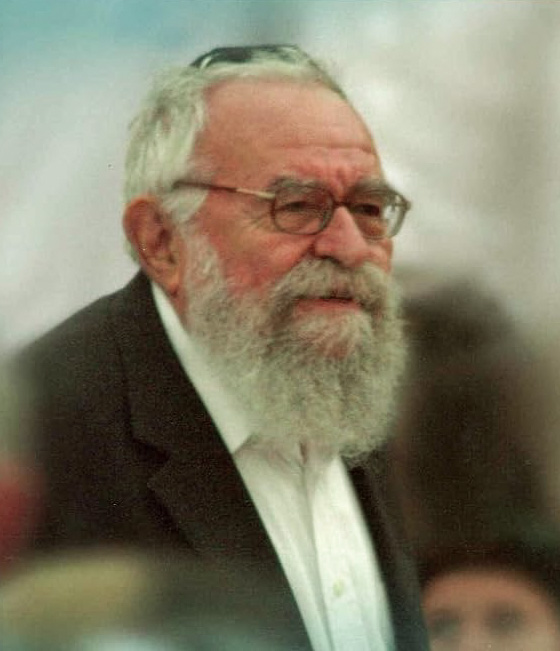
“It was so clear – so abnormal, so natural, so illogical… I saw regiments of Germans who were not going to the front but rather guarding the trailers of Jews headed to the death camps. It was against all military logic and interests. Can one possibly begin to understand such madness? . . . I saw the hand of God but not the explanation, not the meaning.”
“He spoke to me, but I understood nothing. We saw the hand of G-d, we saw G-d’s word, but what was He saying?” he asks. (From A World Built, Destroyed, and Rebuilt“)
Contrast that with the return of the Jewish people to their ancestral land after 2,000 years of exile. Isn’t that a miracle? I feel privileged to witness it in my short lifespan, and to me, it too defies a simple, rational, logical explanation.
The closest I feel to in interpreting our elections, or giving on up my attempt to do so, is Rav Amital’s words, “I believe in G-d, Whom I do not understand.”

Another perspective on these elections, and also on October 7 and all that followed, is the Kabbalistic notion of ‘yerida letzorekh aliya‘: descent for the purpose of ascent.
How many times have we been enslaved, exiled, ostracized, and yet weathered the storms long-term? The rabbinic interpretation of this historical ebb and flow is that sometimes we are sent into lower realms in order to ultimately ascend to greater spiritual heights.
Rabbi Norman Lamm wrote the following in the aftermath of the initially devastating, but ultimately triumphant Yom Kippur War:
“‘All that the Merciful One does is for the good’, even if we do not realize or appreciate it at the time. . . If so, we must appreciate that the suffering we have endured is defeat for the sake of triumph, loss for the sake of greater gain.

Its purpose was to improve us, to make us worthier, better, nobler, and more deserving of the greater dignity that awaits us.”
Maya Angelou said it best in “Still I Rise“:

Just like moons and like suns,
With the certainty of tides,
Just like hopes springing high,
Still I’ll rise. [. . .]
Out of the huts of history’s shame
I rise
Up from a past that’s rooted in pain
I rise
I’m a black ocean, leaping and wide,
Welling and swelling I bear in the tide.
Leaving behind nights of terror and fear
I rise
Into a daybreak that’s wondrously clear
I rise
I rise
I rise.
One more perspective. The morning of November 6, my ESL classroom was abuzz with nervous, multilingual energy, debating the election night drama and concerns about the future.
“Hello class,” I greeted my students. “Yes, we all know. The world turned upside again, but our class is continuing. You’re here to improve your college writing, and all the news and politics in the world won’t make it one bit better. So let’s get back to our exercises. That’s the only way.”
And so it goes. Elections happened. Our work continues.
Still we rise.
-Lane
 Lane Igoudin | Author, Professor, Dad