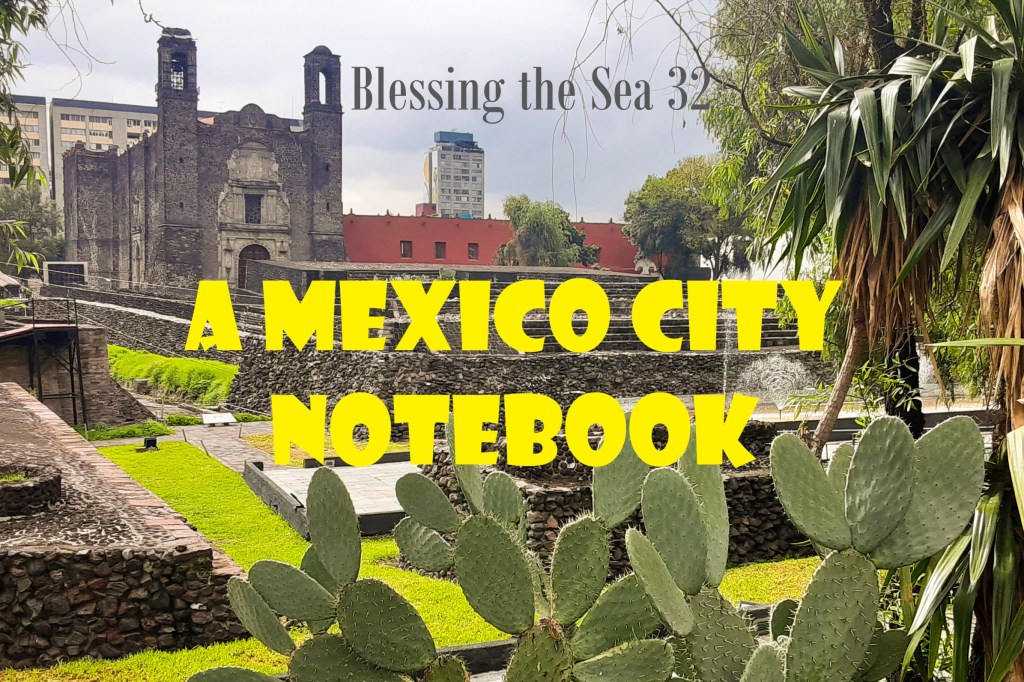
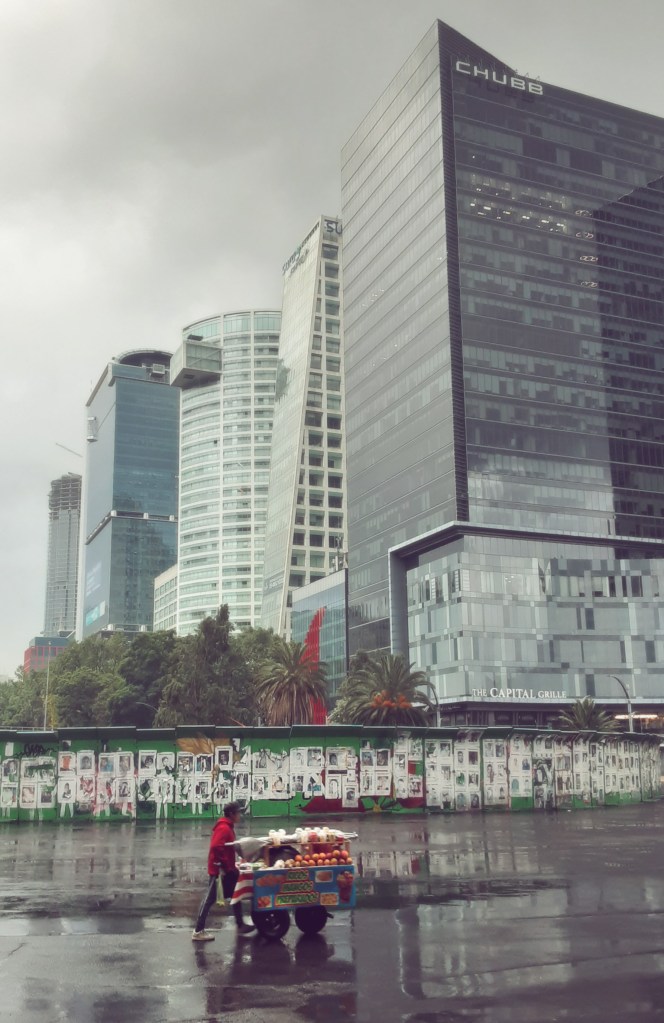
CDMX (Ciudad de México), as Mexico City is commonly abbreviated, is a perfect place to visit in August: cool temperatures with daily rain (usually in the evening), and simply overwhelming in culture, history, art, and flavors.
Culture and history here come in layers.
On the Zócalo, the city’s central square, the eye travels from a Baroque cathedral, whose walls lean in odd directions as they sink into the lake sediment underneath, to the ruins of a massive Aztec temple, then up again to the loud-voiced greeters enticing passers by to come up to their restaurants on the upper floors of colonial buildings lining the square, and down again to the street sellers on the ground chatting in Nahuatl, the city’s second most-widely spoken language.
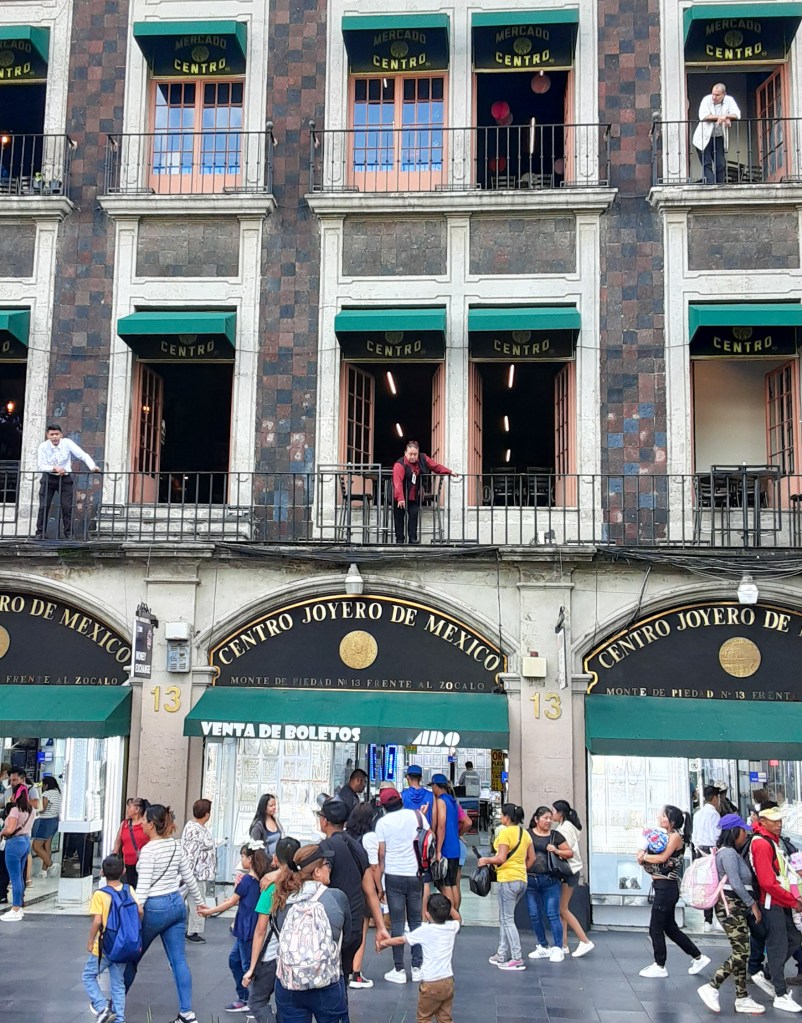
Across the square is the heavily guarded presidential palace, ready now for the arrival of the new president, Claudia Sheinbaum, on Oct. 1. La Presidenta is half Bulgarian-Sephardic and half Litvak-Ashkenazi.
A few blocks from Zócalo, up a busy shopping street, is a mansion dating back to the 16th century: the Palace of the Counts of the Valley of Orizaba, known as La Casa de los Azulejos.

Here, at the symbol of the country’s privileged classes with its exclusive restaurant and the headquarters of the Jockey Club of Mexico, the peasant army of Emiliano Zapata would have breakfast in 1914 when overrunning the city during the Mexican Revolution.
The image is burnt into Mexico’s conscience.
More layers. We are in Cholula, visiting the Sanctuary of the Virgin of Remedies, a beautiful Baroque church high up on a hill, except it’s not a hill.
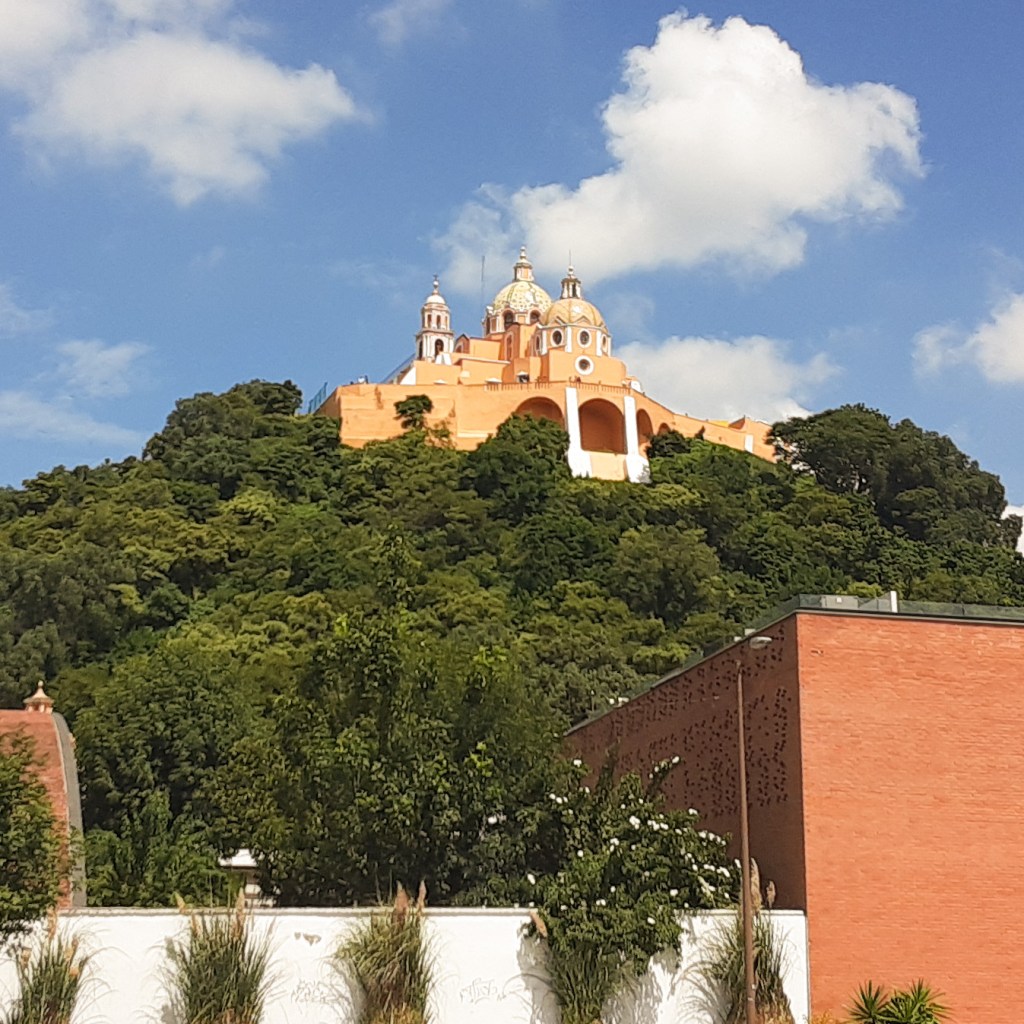
The 16th century tiled-roof church sits atop the world’s largest pyramid, about 1,500 ft on each side, with only one slope excavated so far. As we ascend the steep Tlachihualtepetl (‘man-made mountain’), we see layers of the Olmec and Toltec civilizations, superceded by the Spanish, modern neighborhoods beyond, and the lush highland nature that overtakes all.
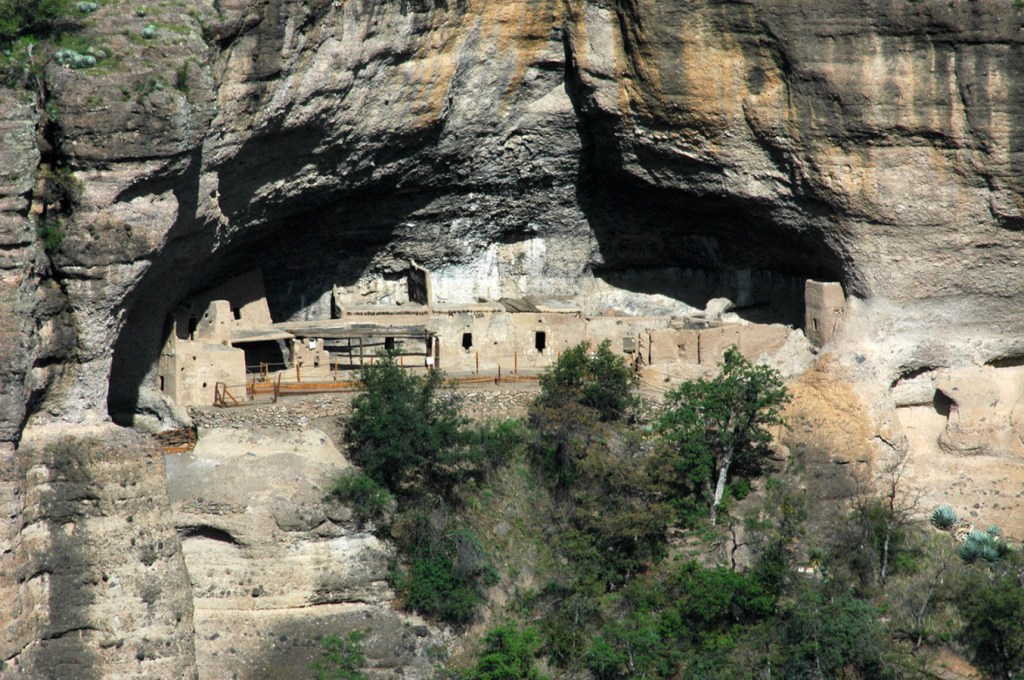
Culture and history in Mexico expand not only chronologically, but also geographically. At the superb Museum of Anthropology, I am struck by a reconstruction of a cliff dwelling. I think I recognize it.
Is it Arizona’s Canyon de Shelly, Montezuma Castle, or Walnut Canyon? No, it’s the Cuarenta Casas site in the state of Chihuahua. I haven’t been there, but it is part of the same Mesoamerican civilization that existed for millennia and still defies borders.
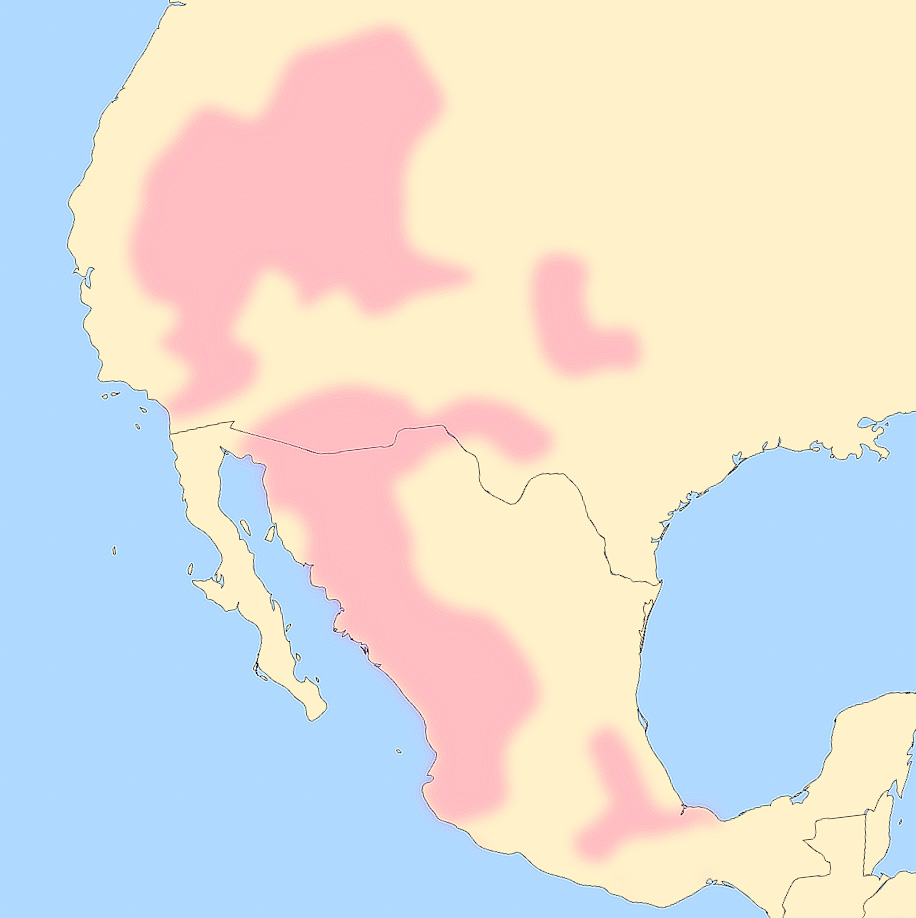
The languages spoken from the Hopi reservation in norheast Arizona to the Cahuilla lands around Palm Springs and Idyllwild, where I am writing this, to Nahuatl of Central Mexico to those of Mexico’s south belong to the same Uto-Aztecan language group (marked in pink on the left) and evolve only gradually as you travel from one area to the next .
‘Uto-Aztecan’, need I say more? What is an international border if not a political invention?
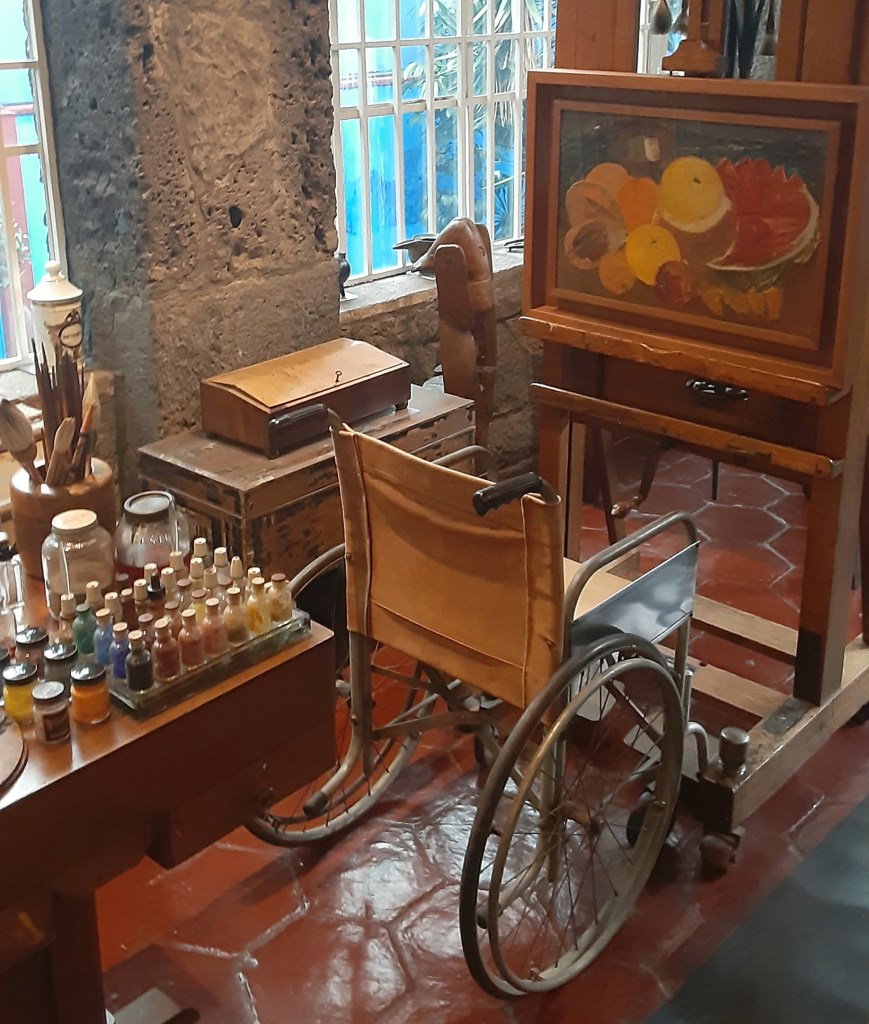
Museo Frida Kahlo is a must-see. It was her home for most of her life, and it feels intimate, bearing the signs of her battles with ilnesses and the physical traumas she endured that made her into the unique and influential artist that she was.
When you see her wheelchair parked in front of the easel, the rows of pills and tinctures, the plaster corsets she wore most of her life —and painted allegorically — it explains why Kahlo, like no one else, understood the physicality of the human experience, the mortality that envelops life and spirit.
I speak about my book on a rainy night at a trendy art gallery in the Condesa neighborhood run by a Canadian expat graphic artist, Graeme Lowy.

As usual, it starts with a talk and a reading, and continues with a Q&A, which lasts well into the evening. I find that the story clicks with the audience, no matter where I take it, and even if the audience is bilingual. Eso es muy alentador. That’s very encouraging.
One more for the road. Before this trip, cocoa, to me, was something my kids would drink on a cold day. It came in a set of 6-8 white packets, and was always more sweet than flavorful. I didn’t know cocoa can have many varieties and flavors, nor that it was once used for religious purposes.
The Aztecs, who named it xocolatl (“bitter water), considered it “a life force that empowered human blood. [Its] consumption was a sacred sacrament, conferring vitality upon those who partook. . . For them, cocoa wasn’t just a treat; it was a means to elevate life, bestowing intelligence, wisdom, and strength upon the consumer” (Coeur de Xocolat).
While I can’t vouch for cocoa’s life-giving properties, I admit to closely befriending Tierra Garat, a small café chain in Mexico City’s center.
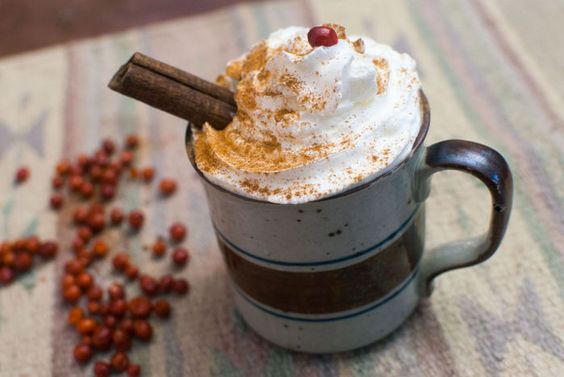
Its menu features delicious cocoa drinks like Dulce Madera (with cinnamon & allspice), Naranjo Huacal (orange & ginger), and Chiltepín (piquín pepper, allspice, and achiote) – that’s the one in the photo, and it’s out of this world.
Like a strong, complex Chiltepin, this too was a trip of many flavors. Ma cualli ohtzintli, my friends, titohtatzinozque.*
-Lane
_______________________________________________
* “Have a good road, we’ll see each other again,” a formal Nahuatl goodbye
Related BTS issues:
#47 A Galilean Notebook, Part 2
#46 A Galilean Notebook, Part 1
#42 A Rocky Mountains Notebook
 Lane Igoudin | Author, Professor, Dad
Catching up on your writings and very much enjoying them. I known your Dad from work and he’s very proud of you. This is a great type of outlet for those who enjoy writing and exploring life. I find your comments on your experiences to stimulate my own reflections. I’ve been wanting to travel to Mexico City because some of my roots are there, it seems l like you found the place safe and fascinating. Thank you!
LikeLiked by 1 person
Mexico City is a great destination to visit. It’s overflowing with culture and history. And summer is a good time to go to as being high in the mountains, it is generally cooler than most of Mexico. Enjoy!
LikeLike