Reading an old diary is always a discovery. Each page bears witness to your naked heart fixing in time life events as you were experiencing them; the feelings and beliefs they evoked in you in response.
Reading it now, it might shock you how much you have forgotten. But it might shock you even more how different you’ve become from the person who wrote those words years ago, and how differently you see the same events now.
What just happened here is that you’ve entered into a dialogue with your memory. You are finding a new meaning in your life story.
Before writing my memoir A Family, Maybe, I was already familiar with dialogism, a theory developed by the Russian philosopher and literary critic Mikhail Bakhtin (1895-1975).
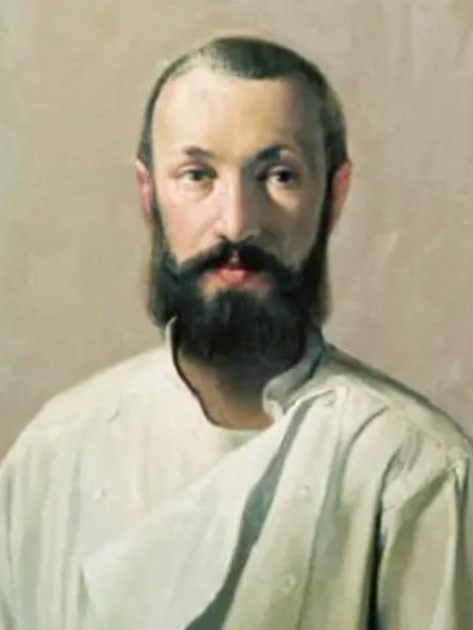
Bakhtin proposed that the speaker is not an isolated entity communicating with other isolated entities, but produces speech only in relation to and tension with other speakers. To study a conversation or a text, one needs to study both the speaker, the addressee of the speech, and the relationship between the two.
Even when one party in this dialogue does not speak, for example, by remaining silent, or being an author of a text, it still participates in the co-construction of meaning because its presence is noted and it is being addressed by the speaker.
I first brought Bakhtin’s dialogical approach into my research in language ethnography, analyzing the co-construction of meaning which occurred when my linguistics students in Los Angeles were interviewing college students learning English in Brazil.
What facts they captured, and how they interpreted them was the result of what both the students and the interviewees brought to, negotiated, and co-created during their conversations.
The same strategy though can be applied to researching your own life history, which is what I did when asked to contribute a chapter to a book of studies of autobiographic writing. In a sort of a memoir of a memoir, I compared the diaries I kept throughout our foster adoption process with the manuscript of A Family, Maybe, based on them but written 4-10 years later: the same story, but no longer the same narrator.

“The further I got away from the actual events, the more the tone of my memoir changed from raw and immediate to more analytical and emotionally anesthetized. Anger, resentment, pain, hope, elation, or exuberance faded (though not entirely) to bring into a sharper relief the story line events . . .
In the meantime, the amount of research needed to explain the events, stances, and actions in the story grew, also tilting the balance from the subjective to the objective.” (From “The Legal and the Human: Spotlighting Social Issues through Memoiristic Writing”)
Ironically, my book chapter got published two years before the memoir itself came out. Such are the curious ways of publishing.
Bringing it closer to the subject of this newsletter, Jewish aspects of mindfulness, I see the ongoing dialogue between us and the holy texts we’ve been in conversation with for millennia. We read these texts differently as we find ourselves in new contexts and situations. In our dialogues with these texts, we learn new things that respond to our spiritual needs of the moment. We find new meanings.
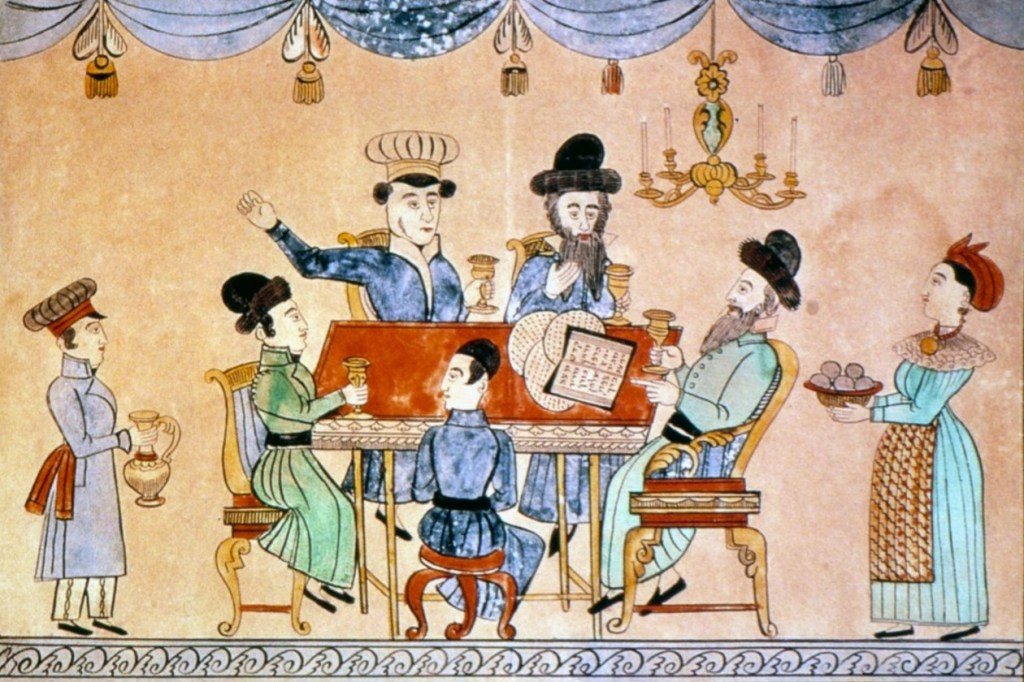
Take for instance, this Passover, occurring during a critical time for the Jewish people, in the midst of unprecedented attacks and a war. Excerpted below is an inspirational take on the Haggadah story we are going to read next week at the seder table. This interpretation comes from an interview with Rabbi Doron Perez, whose one son just got married, and the other is missing in Gaza.
“Life is a package deal. We tell our children it’s not easy being a Jew. There’s avdut, slavery, and merirut, bitterness. There is pain. But we overcome, we get through it.
“The story of Pesach is not only one of matzah and freedom. It begins with the derogatory (“We were slaves in Egypt…”) and ends with praise. It ends with good things.

The enduring taste in our mouths is the taste of freedom, the taste of korban Pesach (Passover sacrifice). It’s tempered by the matzah, the bread of freedom and affliction, and by the bitterness of the maror. And sometimes, says Hillel, it’s all together – you eat the korban Pesach together with the matzah and the maror.
But the good news is that the final taste in your mouth, after which nothing else should be consumed, is the taste of freedom, the taste of laughter, joie de vivre, the taste of overcoming challenge.”
I’ll leave you with this teaching. We might be tasting the bitterness, but it will end with joy. It has to, and it will.
Chag Pesach Sameach! Happy Passover!
-Lane
 Lane Igoudin | Author, Professor, Dad