My newsletter is named after a traditional Jewish blessing upon encountering the majesty of a large body of water: “Blessed are you, our eternal G-d, Ruler of the Universe, who made the great sea.” BTS is a free, monthly publication which shares Jewish and non-Jewish approaches to mindful, contemplative living. Some come from from spiritual teachings from the past and the present; others from my Zen practice and Jewish faith. Included here are also some of my own news as well. BTS is a conversation, and I enjoy hearing from and responding to the readers.
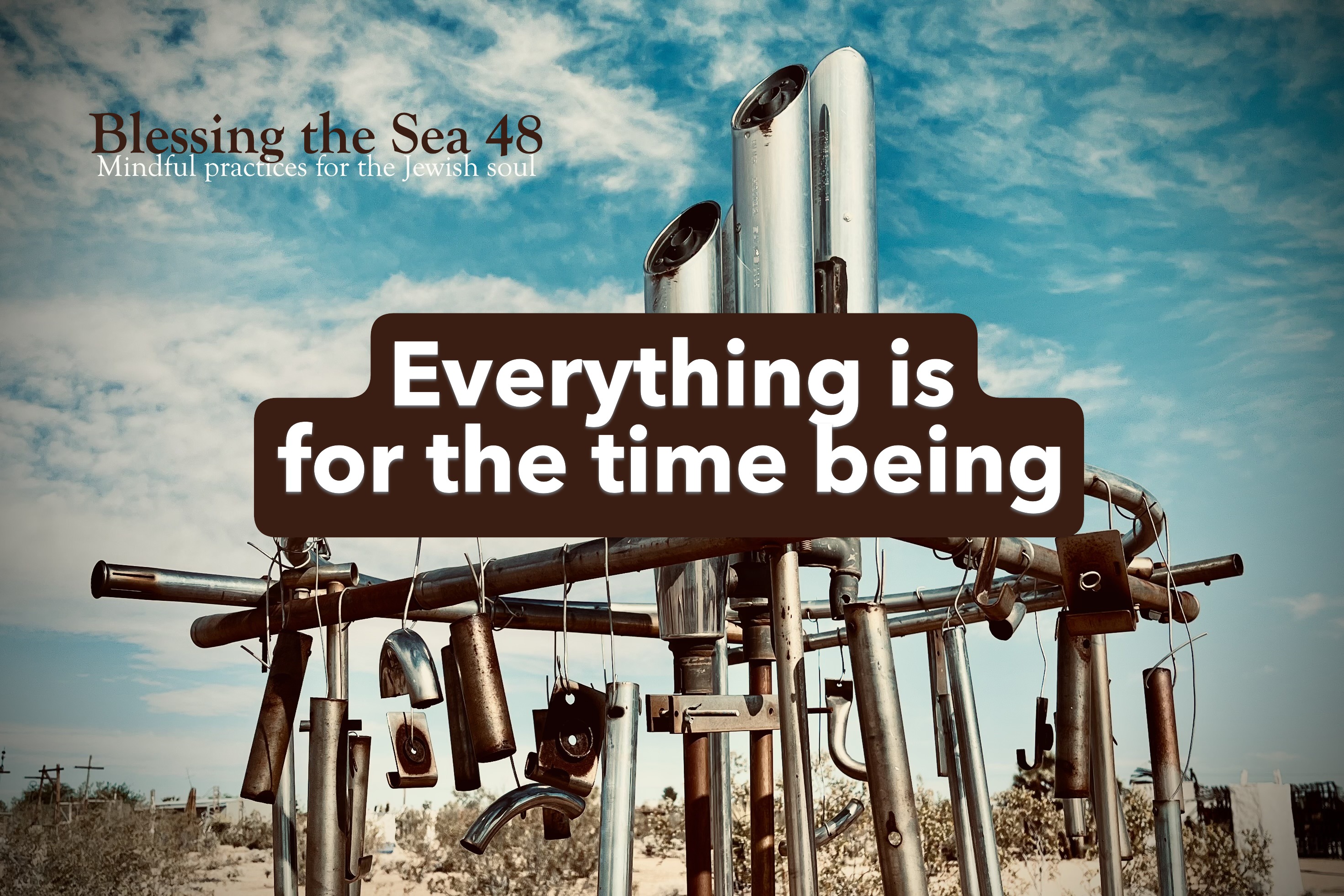
“Do not let the spark of my soul go out in the even sadness. Let me raise my brokenness to you, to the world where the breaking is for love. Do not let the words be mine, but change them into truth. With these lips instruct my heart, and let fall into the world what is broken in the world.”
— From “All My Life,” a poem by Leonard Cohen
Living today is about holding conflicting emotions for weeks, months on end. I see many friends resisting the current administration while trying to go on with their regular lives. They are in a lot of pain. I empathize with them.
I too feel torn between my own daily reality and an extreme worry for the well-being of Israel: my family, friends, and everyone who lives there. Missiles do not ask about political or religious affiliation.
Two months ago, my cousin from a kibbutz dropped me off at the Mahanayim Junction in northern Galilee to catch a bus to Tel Aviv.
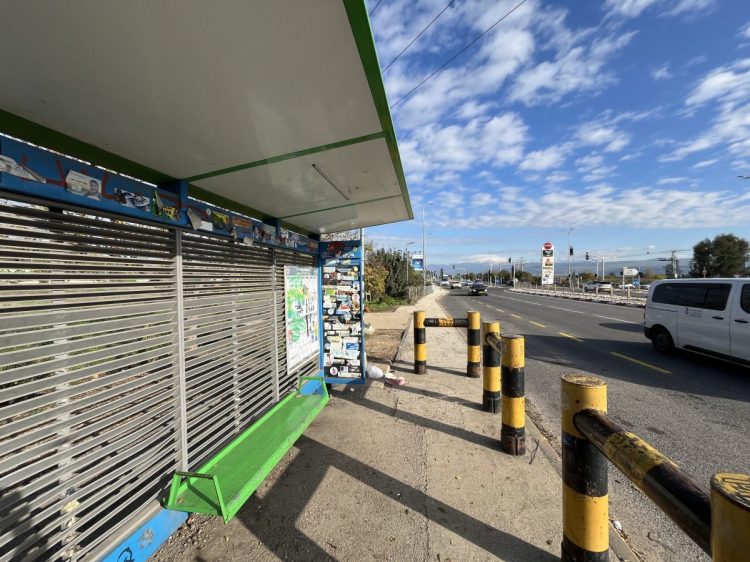
This junction – a gas station with a coffee shop – is practically in the middle of nowhere: hills and forests around it, and farm fields beyond.
Last week, a woman was killed at this bus stop by a random rocket fired from Lebanon. I hold her name, Nuriel Dubin, age 27, z”l, even though I did not know her.
How do you live with this duality?
I am holding to the joys of my life. For the time being, my husband, my kids, and I are doing well. Teaching gives me joy, and writing fulfills me. I inhale this joy. I embody it now because it may vanish in the next instant. Because everything is for the time being.
My regular life has been a balance of teaching full-time at Los Angeles City College with an equally demanding writing/speaking career. This spring, I am teaching 4 courses (15 units): 2 in college ESL, and 2 in linguistics, 118 students total – my regular load. I am also doing a fair amount of faculty work. The days when I teach on campus, it takes me on average 1 hour 40 minutes to commute each way. Specificity of my job aside, this busy lifestyle is typical for many here in greater Los Angeles.
In the meantime, I am continuing to speak about my memoir A Family, Maybe to live audiences and in the media. My book came out 2 years ago. What has that been like?
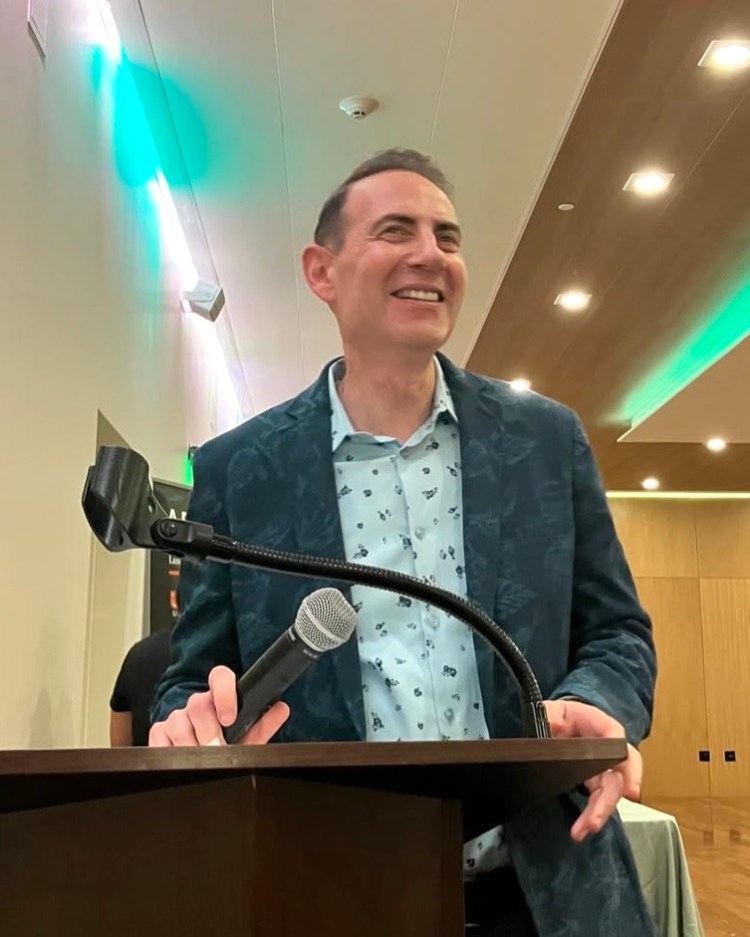
Hectic, fun, fulfilling.
Rather than force the events, I tend to go to where there is interest, and one opportunity inevitably has led to another and then another and another.
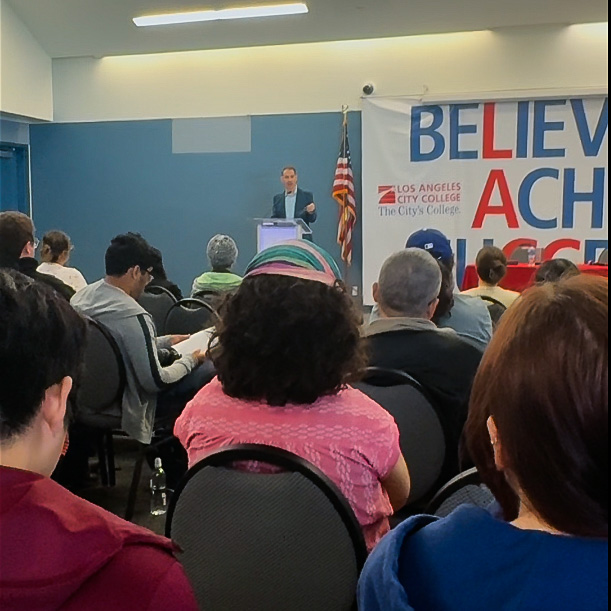
After the 12-stop book launch tour from Portland to LA to Mexico City in 2024, I only did 5 live events in 2025, although some of them were among the largest I’ve ever done, as, for example, my talk at LACC attracted about 250 students and faculty.
This year, however, I find it easier to schedule author talks, with 4 already given, and 4 more scheduled for later this year.
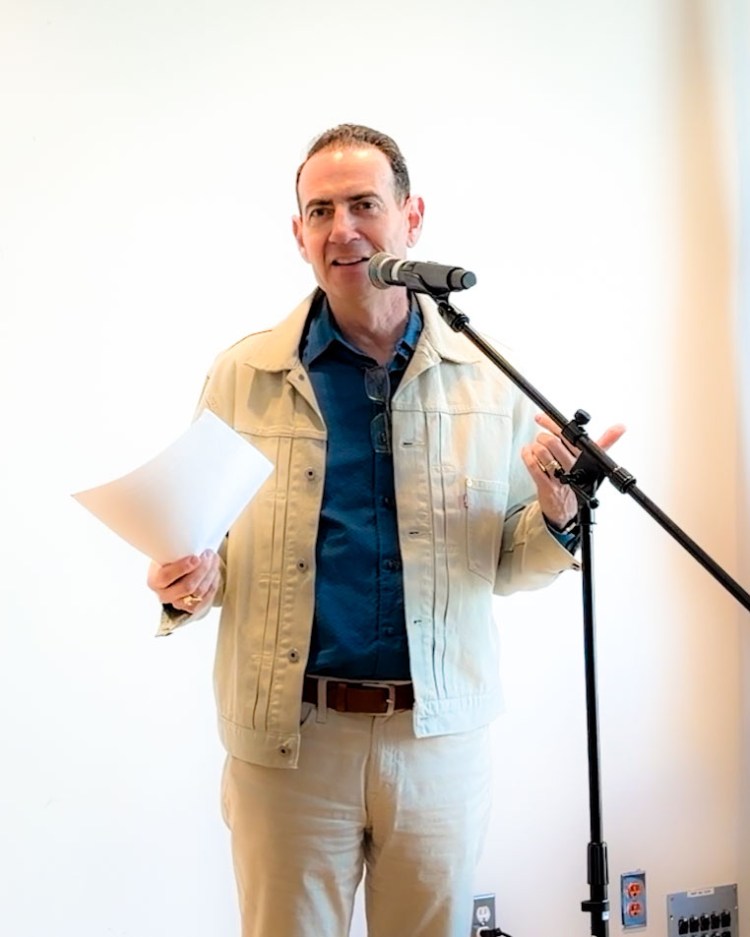
The book has many angles, so my recent topics have ranged from speaking about Jewish parenting values at a synagogue to book publishing and promotion strategies as part of a writers’ club speaker series, to focusing on the book as a parenting memoir at a book festival, or its local aspects at a historical society meeting, or an LGBTQ family journey at a Pride event, and so on.
Meanwhile, speaking to the media has taken off in the ways I didn’t expect. After the initial 5 interviews in 2024 to podcasts/radio stations (they can be one and the same, as popular podcasters sometimes contract with radio stations), I gave 26 podcast/radio interviews in 2025, sometimes up to 3 a week, including one on an NPR station.
Since 2026 started, I’ve already given 5 podcast interviews and have a few more scheduled in the months to come.
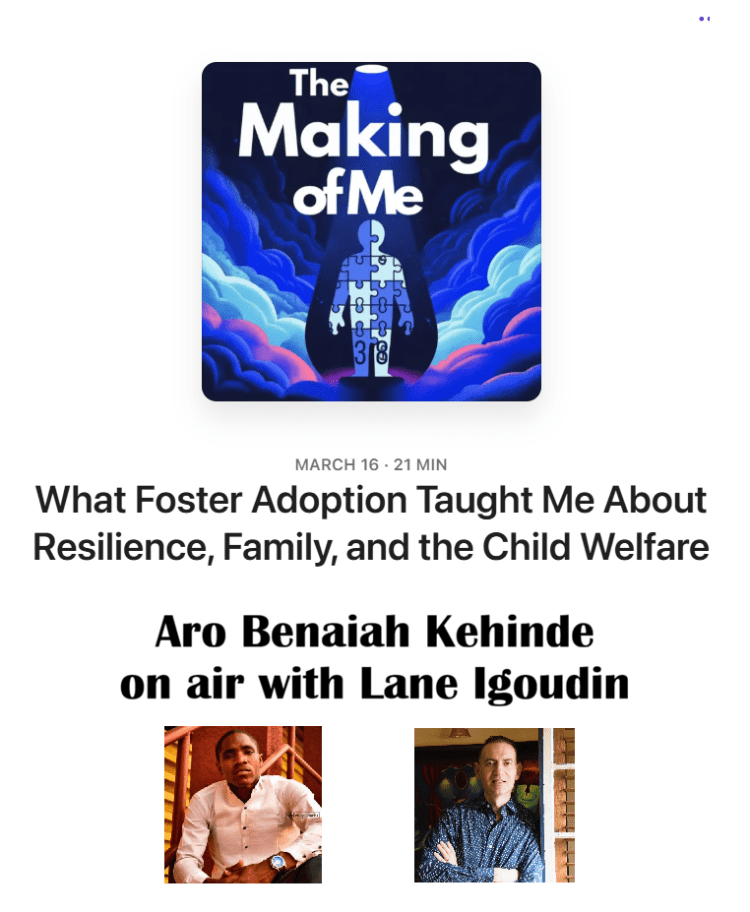
Podcasts are very powerful these days in that not only do they expose a story to the audiences I wouldn’t be able to access otherwise, their recorded shows are listened to for months, if not years. The podcast matching service I use has reported my interviews’ “4.1K Listens + 260.4K Social audience reach.” I doubt I would’ve been able to reach these listeners otherwise.
The shows that usually bring me on are tend to focus on transformative life journeys, parenting, spirituality, and mental health, as A Family, Maybe intersects with all of these issues.
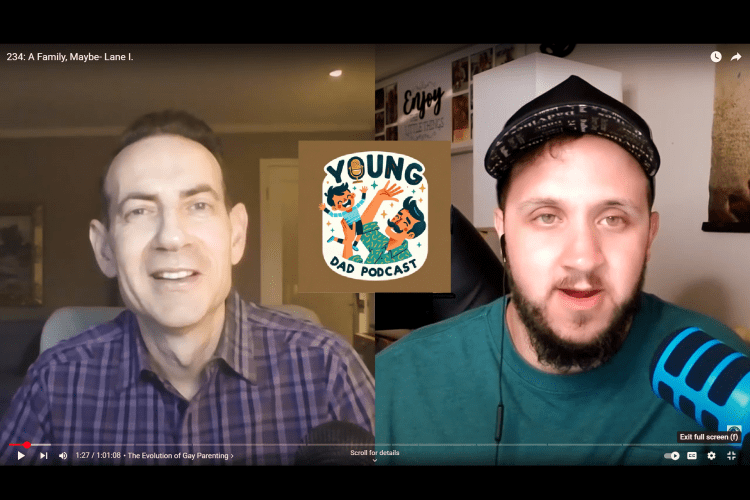
Some podcasters are more liberal, others more conservative, which doesn’t really matter to me because the issues we discuss – child welfare, parenting, mental health – cut all across the board.
We may have different approaches to these issues, but that’s where real, deep, authentic conversations can really begin, and some of my most interesting interviews have been with the hosts who do not agree with me politically.
As you can probably tell from this update, I am enjoying the aftermath of the book publication. The last two years have been a journey with many unexpected turns, which taught me to be open to wherever it may lead. Yet it has also prepared me to face the fact that if the interest in my story starts to wane, I’ll have to let go and do something else.
For the time being though, I am holding all of this together – the joy and the worry about the present and staying open to the uncertainty of the future.
Stay strong on your journey. Happy Passover!
-Lane
All photos are © Lane Igoudin, 2026
Related BTS issues:
#35 Learning from a Year of Wonder
 Lane Igoudin | Author, Professor, Dad
thank you for sharing your experience with Roshi Ryodo and the third hand. What a comforting image.
Warm regards,
Kyoshin
LikeLiked by 1 person
Thank you, Lane, for sharing your photos and your poetic response to the beauty of the Canadian Rockies and all that they, and the Native peoples have to share with us. I truly enjoyed reliving our experiences with you!
LikeLiked by 1 person
Hi Lane,
Thanks for sharing. I admire your courage, clarity and tenacity. Wishing peace and happiness to you and loved ones. Enjoy your new home and keep writing! Take care.
Deb
LikeLike